
Designing journeys through territory
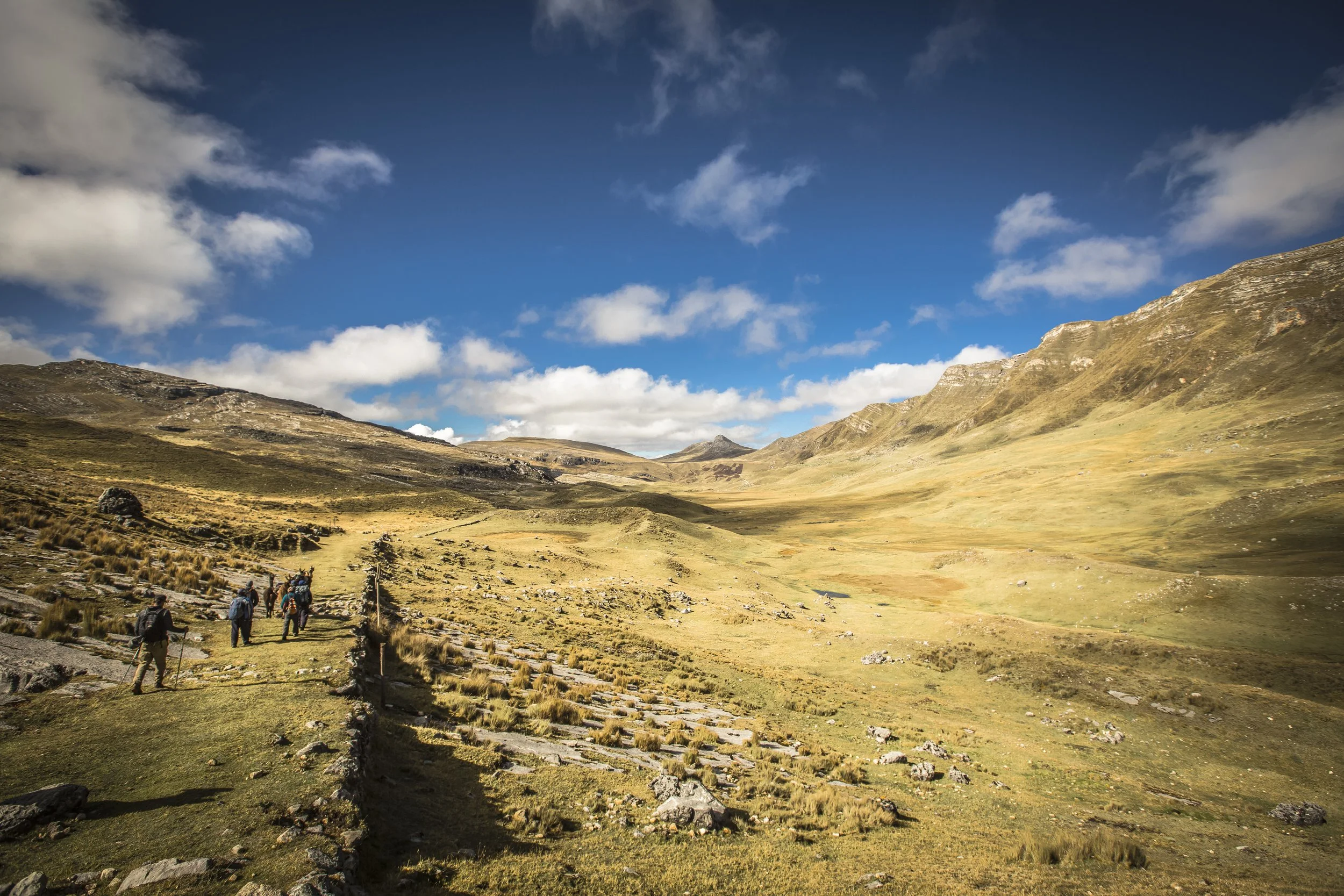
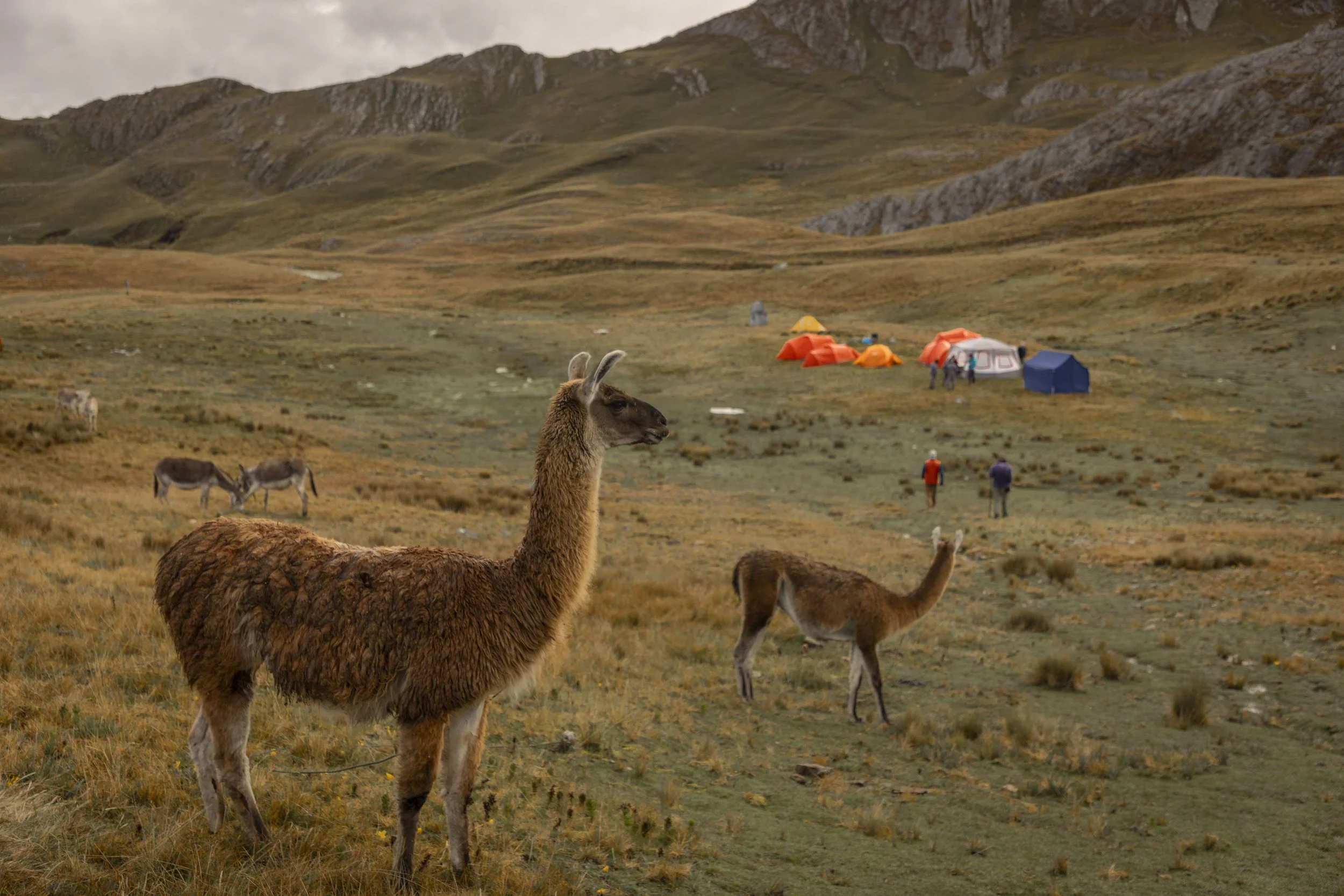
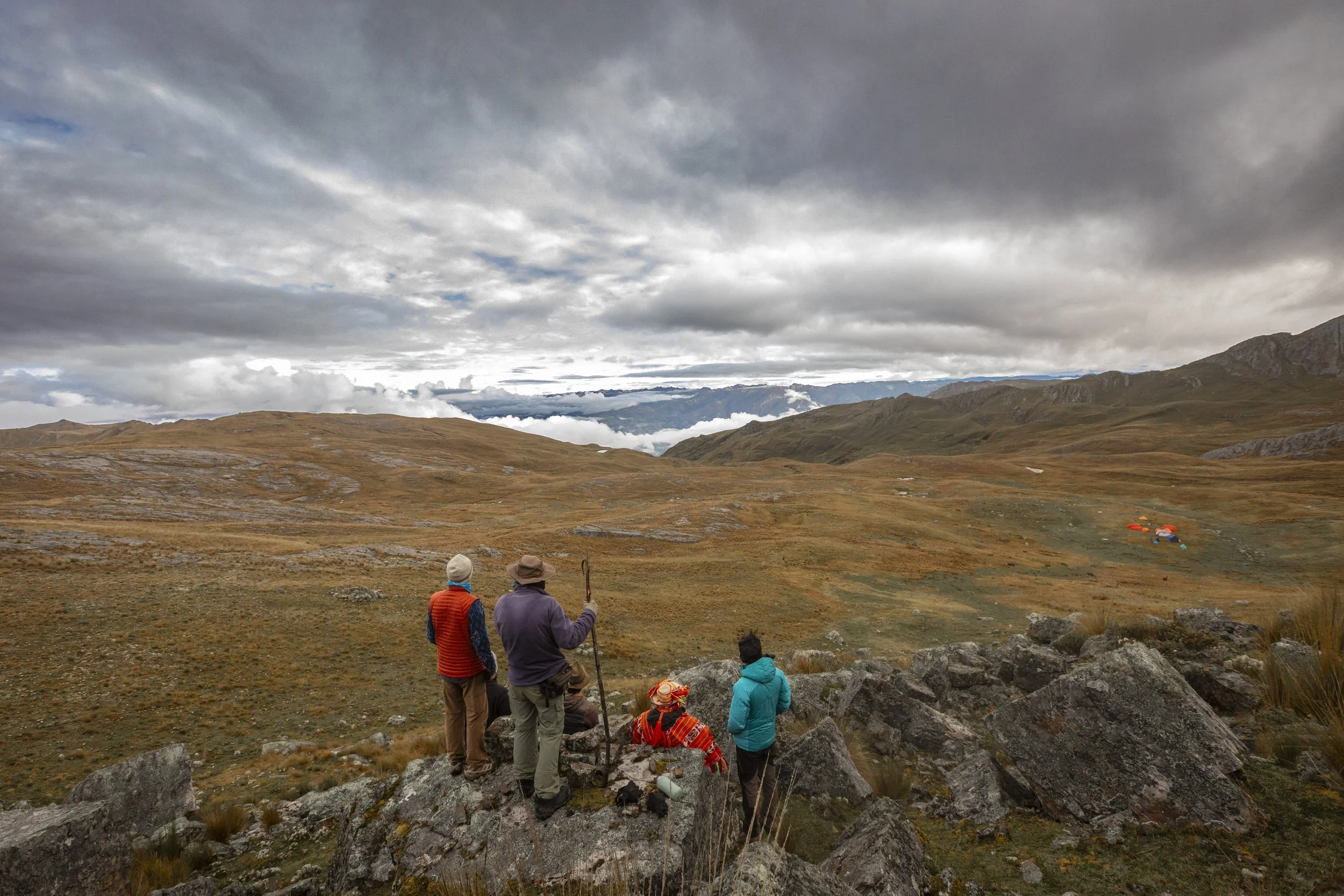

In some of the destinations where we operate, factors as altitude, ecosystems, isolation, infrastructure are not just environmental conditions. They shape how people live, how communities organize, and how culture evolves over time. And it’s in this contexts where travel happens. And it changes how we approach design.
Popular routes often concentrate pressure: Too many people, too little time, limited capacity.
The result is predictable: saturation. Part of our work has been to move beyond that. Not by avoiding demand entirely, but by expanding the way territories are understood and connected.
Our exploration of the Great Inca Trail reflects this.
Rather than treating it as a single iconic route, we approach it as a network: a system of interconnected paths, regions, and communities that can support more diverse and distributed travel.
This allows us to:
Open new circuits
Reduce pressure on saturated routes
Extend travel into less-visited regions
Create more meaningful and varied experiences
Diversification is often framed as opportunity. In practice, it is also responsibility.
It requires:
Longer development timelines
Stronger local partnerships
More complex logistics
Ongoing commitment
The result is a system that is not only more resilient, but more aligned with the realities of the territories themselves, and better equipped to sustain travel over time.
At the same time, we believe that this approach shouldn’t remain isolated.
The knowledge we’ve developed around the Great Inca Trail, its routes, its dynamics, and the way it can be structured as a network, is something we actively seek to share within the industry. Through promotion and training, we collaborate with other tour operators so that more organizations can access, understand, and responsibly operate these routes.
Because building a more balanced system is not something that can be done alone. It requires shared knowledge, aligned practices, and a collective commitment to doing things differently.
Click here for more information on our GIT programs.