
Lima's Historic Center renovations:
A new chapter for the City of Kings
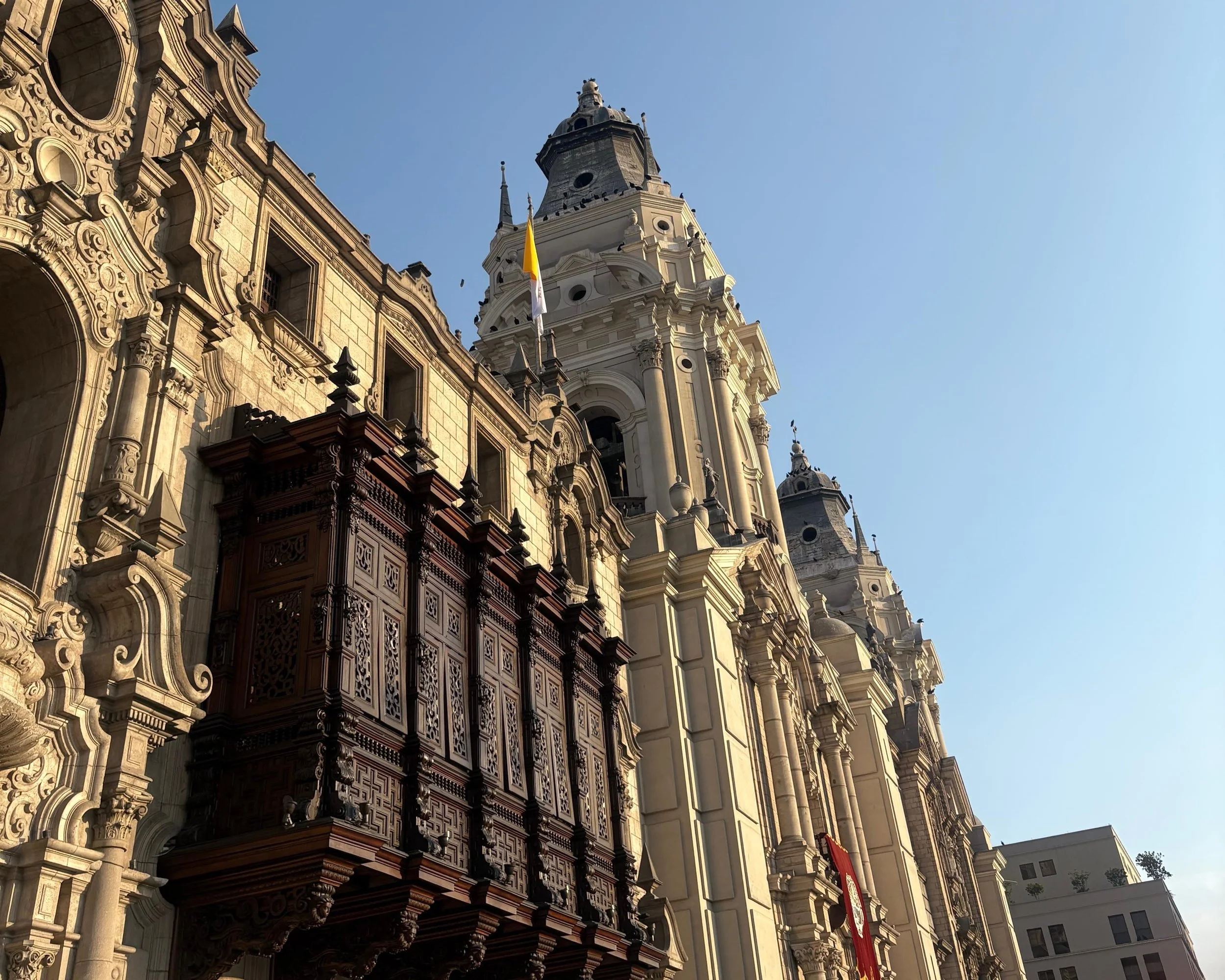
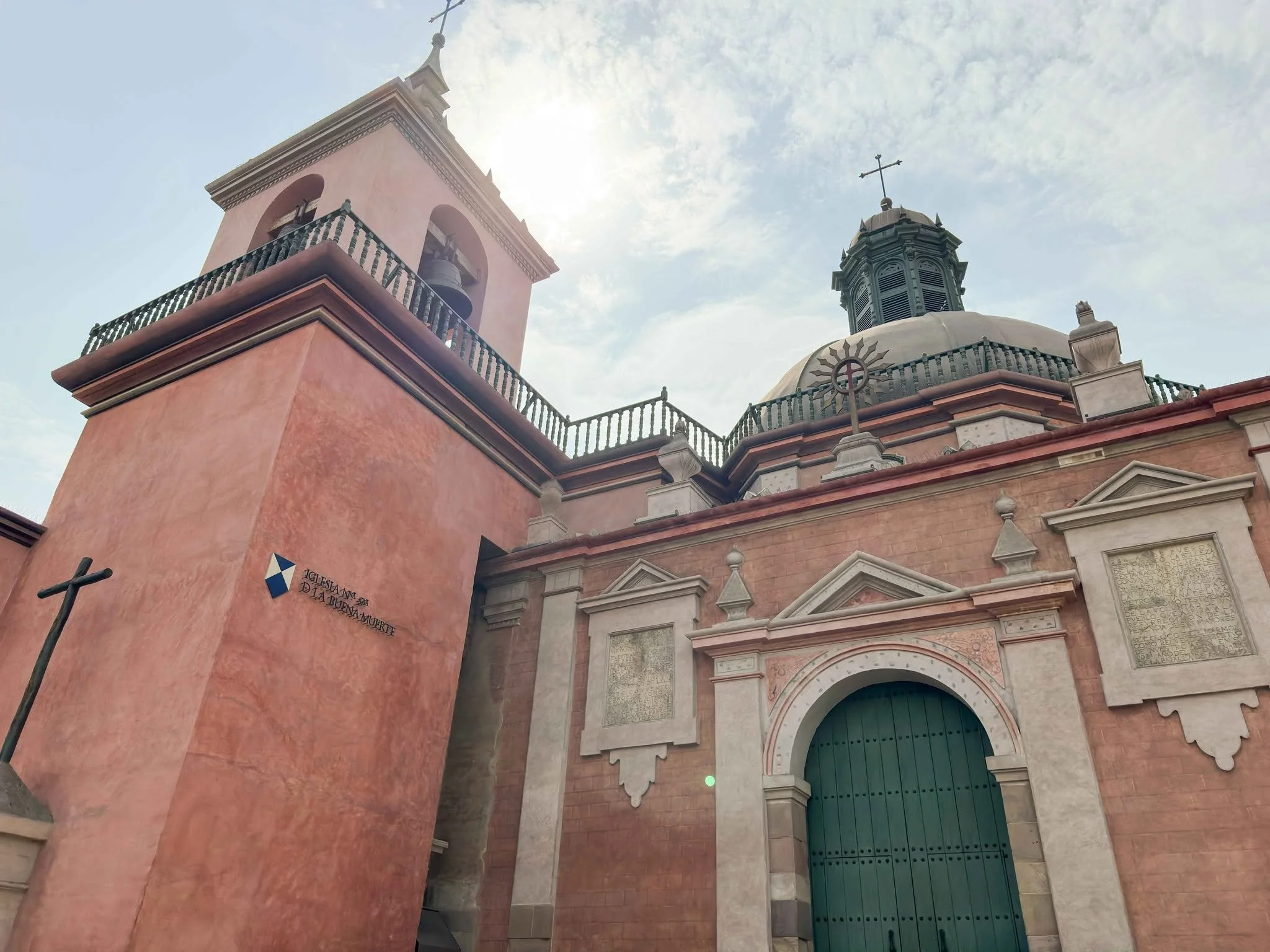
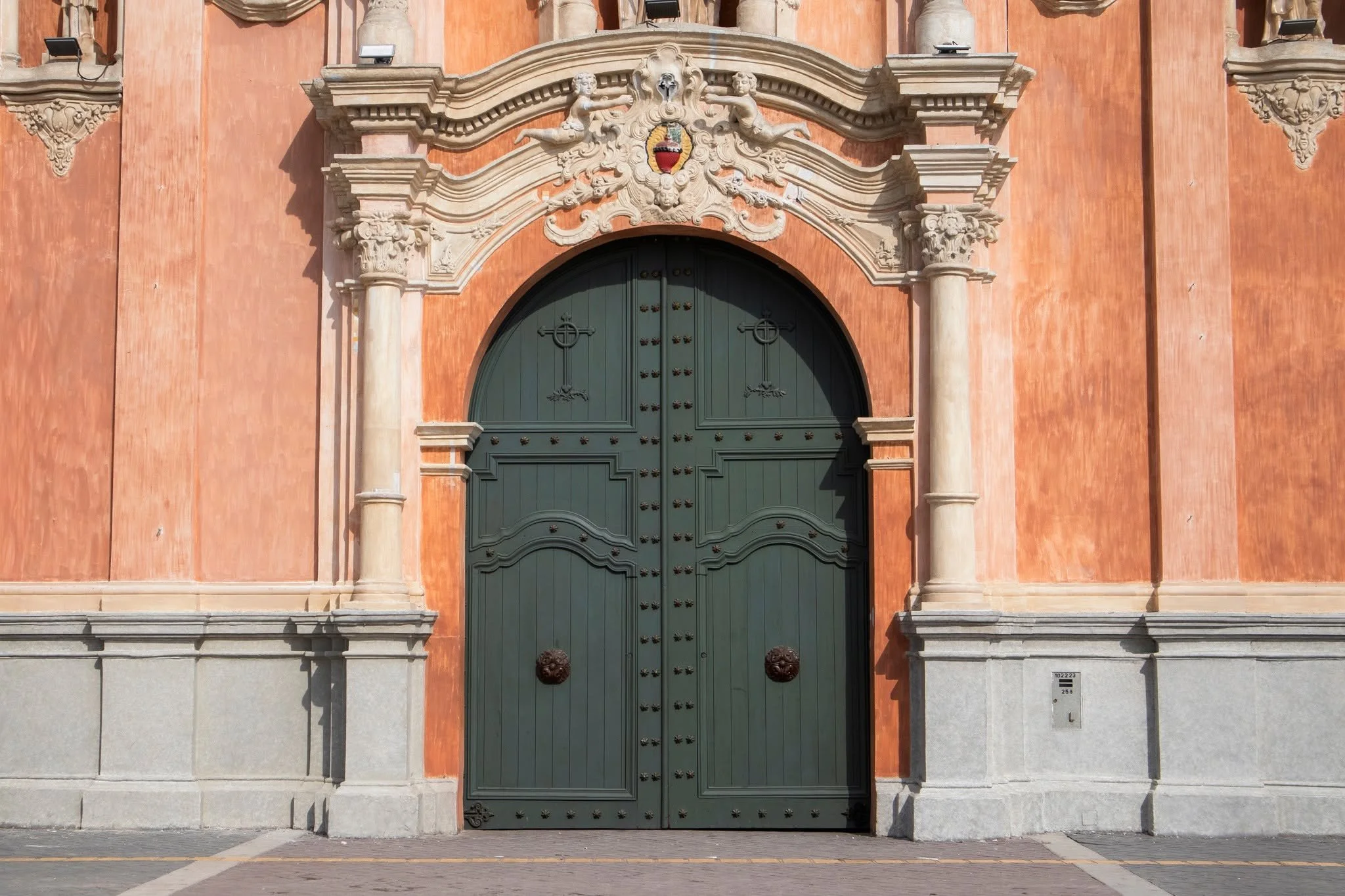
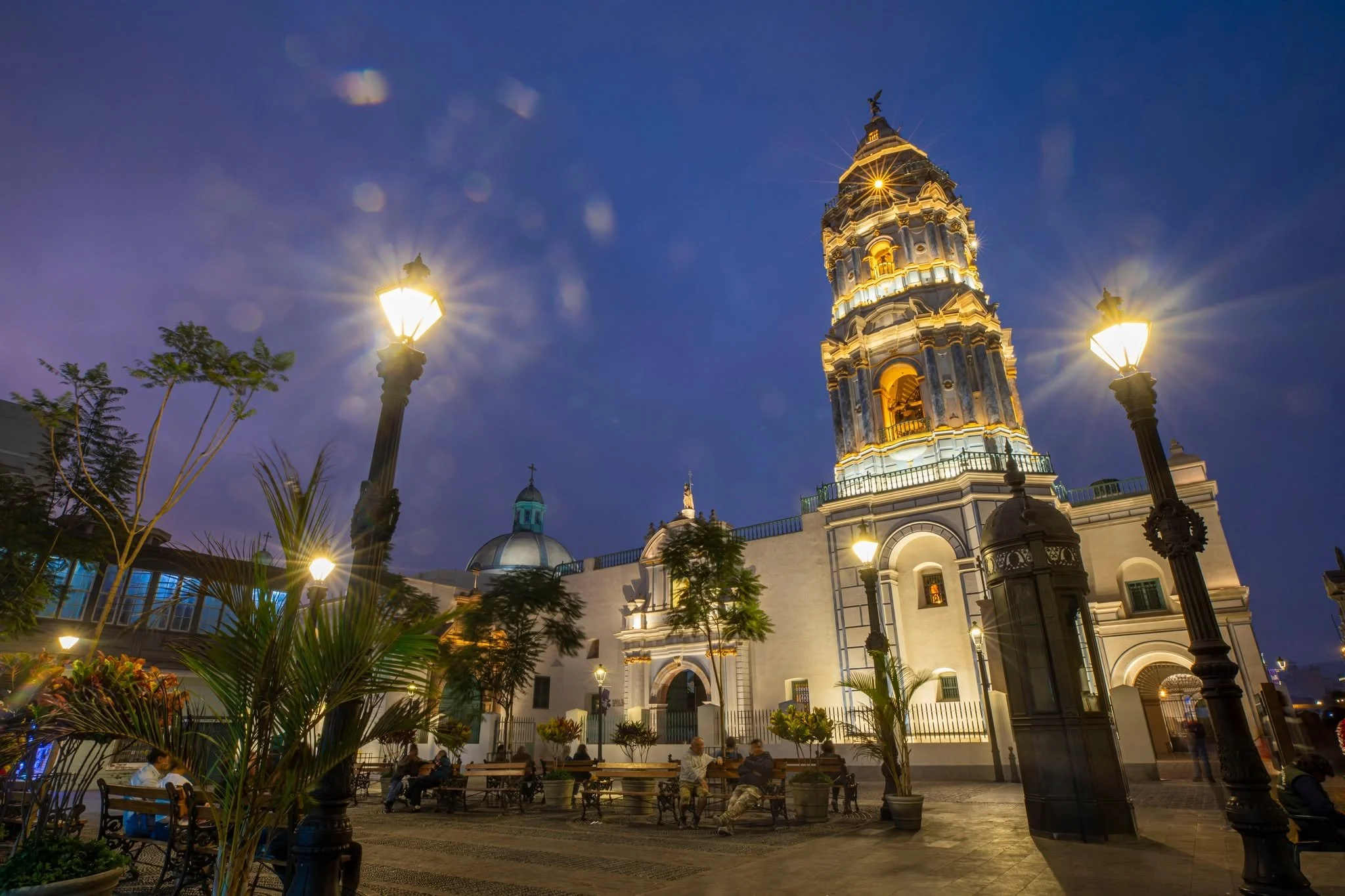
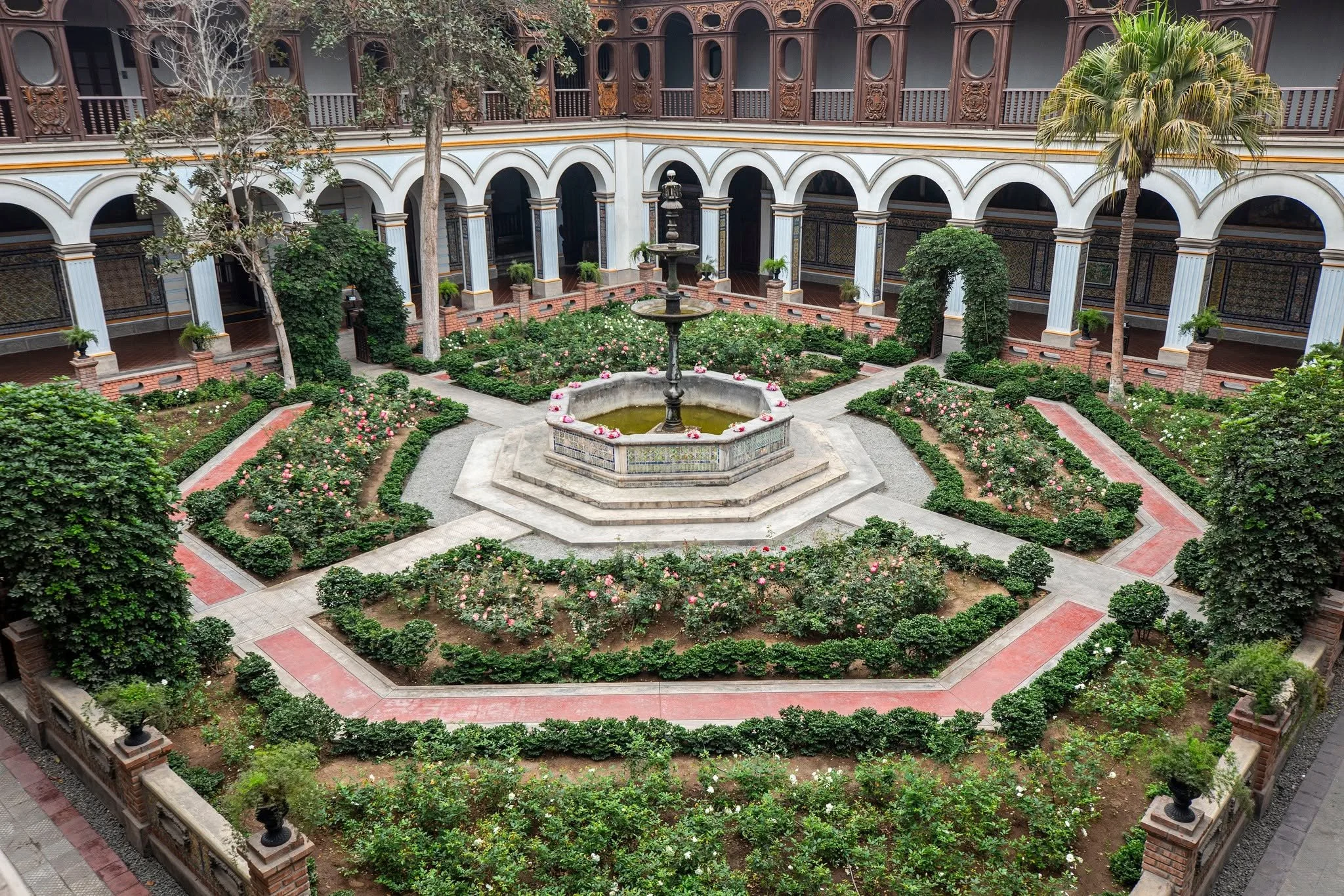
Lima's Historic Center, a UNESCO World Heritage Site, is becoming a place people actually want to walk.
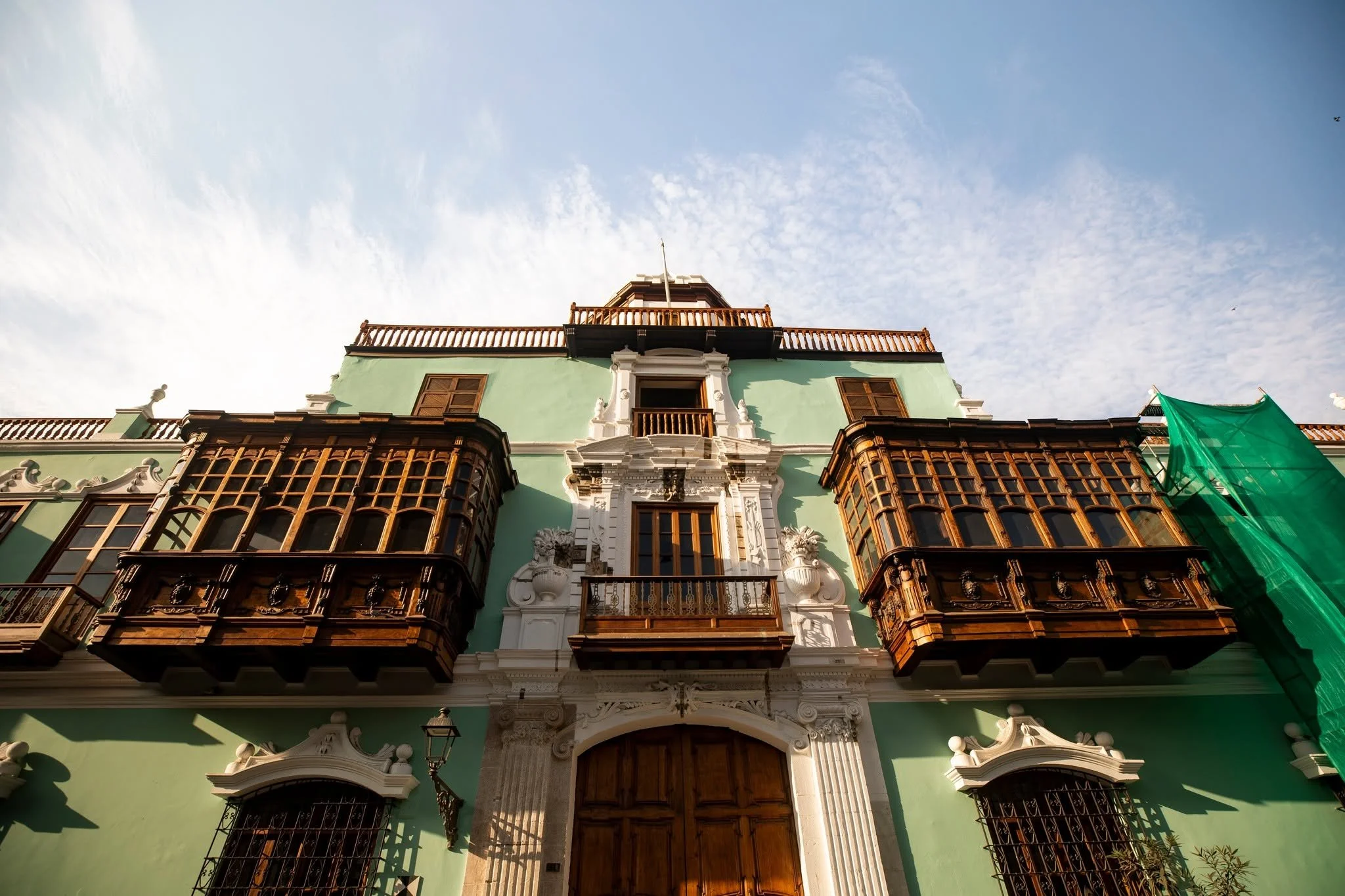
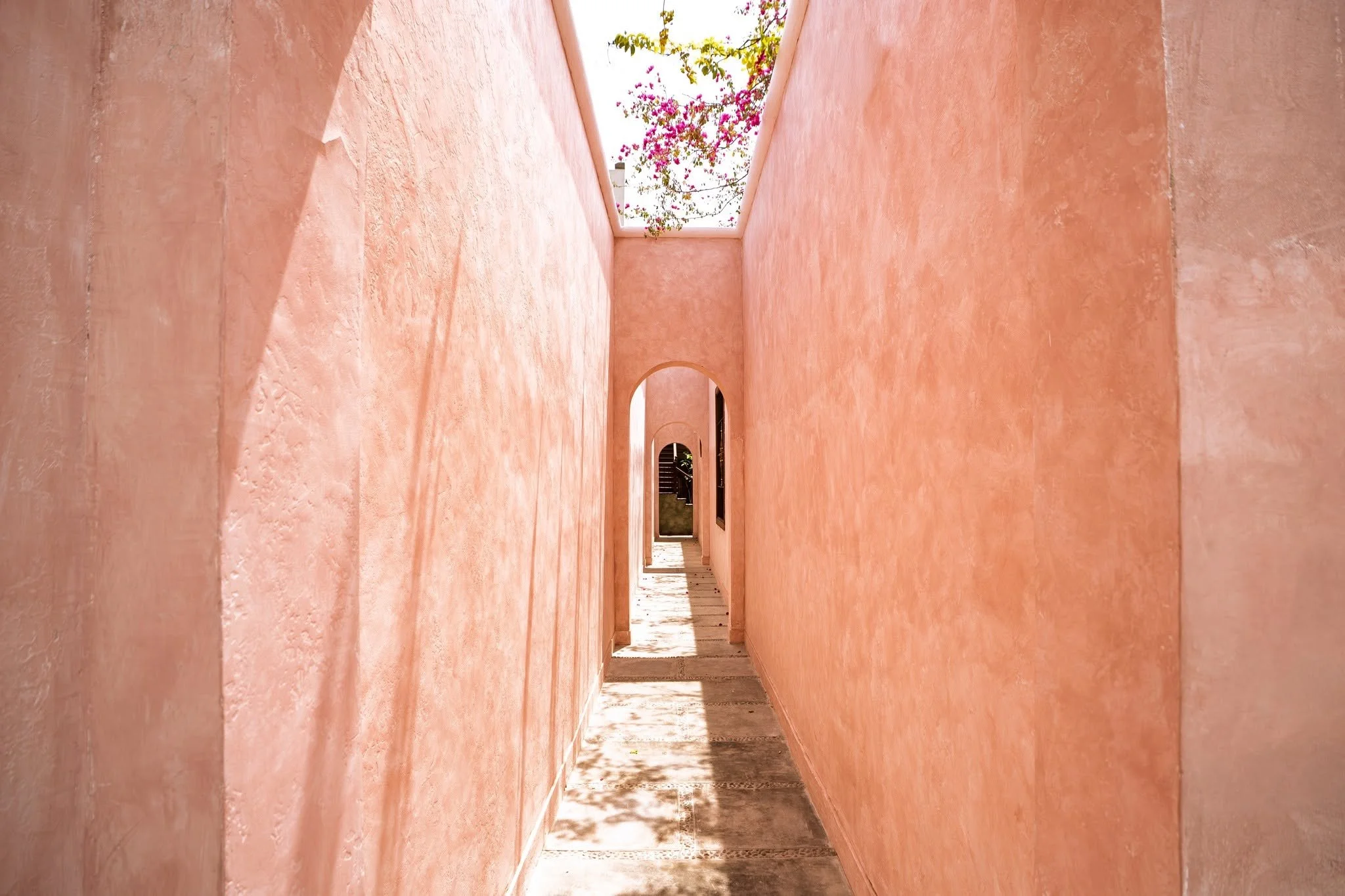
Since 2021, PROLIMA (the municipal program leading the district's recovery) has pedestrianized dozens of blocks around Plaza Mayor as part of the city's Master Plan through 2029, restoring over 170 heritage properties along the way. The result: ‘jirones’ once choked with traffic are now lined with specialty coffee shops, handcraft and souvenir shops with a strong sense of place, pastelerías, and artisan ice cream parlors, making a walk through the district one of the simplest, most rewarding ways to spend a morning in Lima.
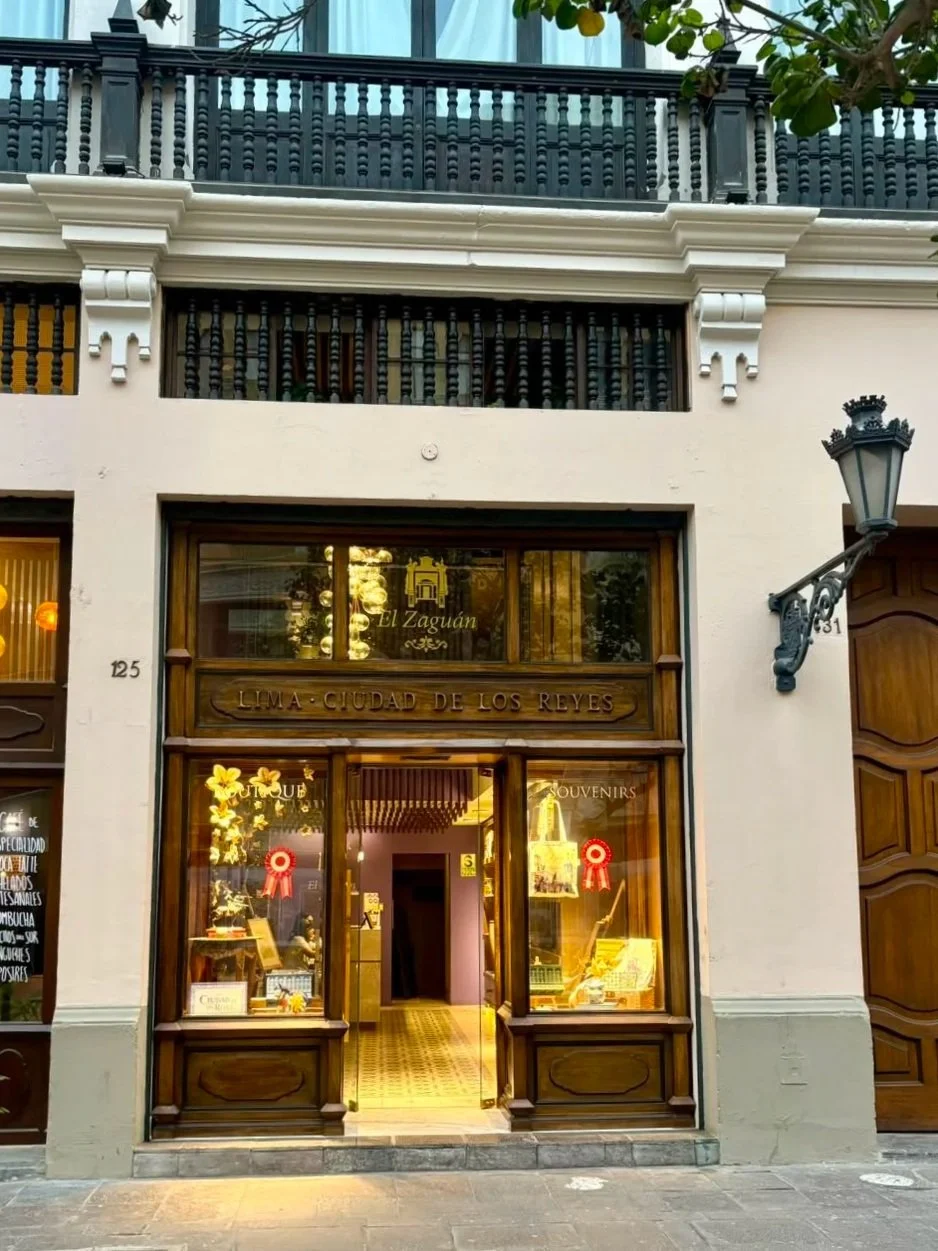
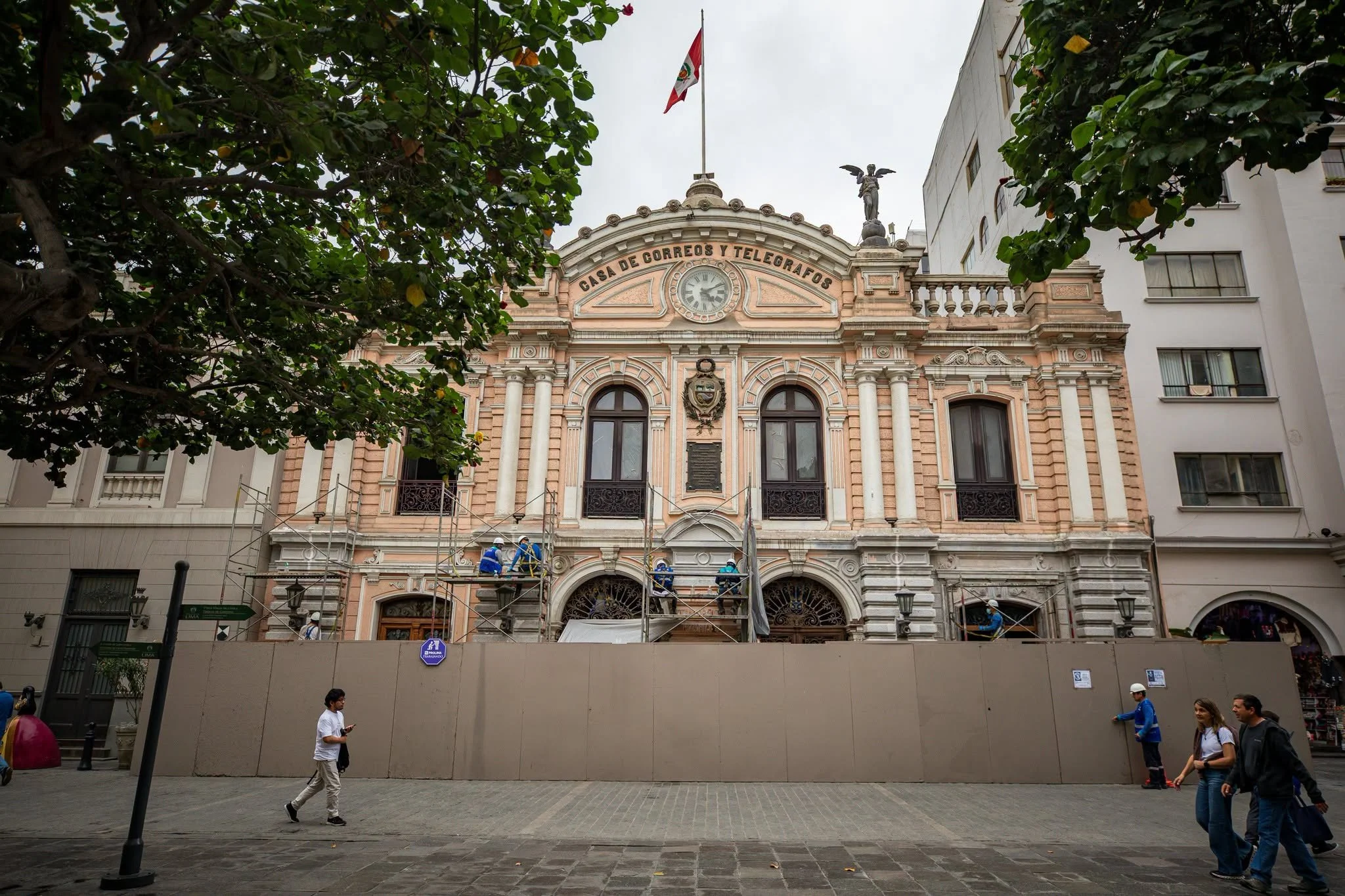
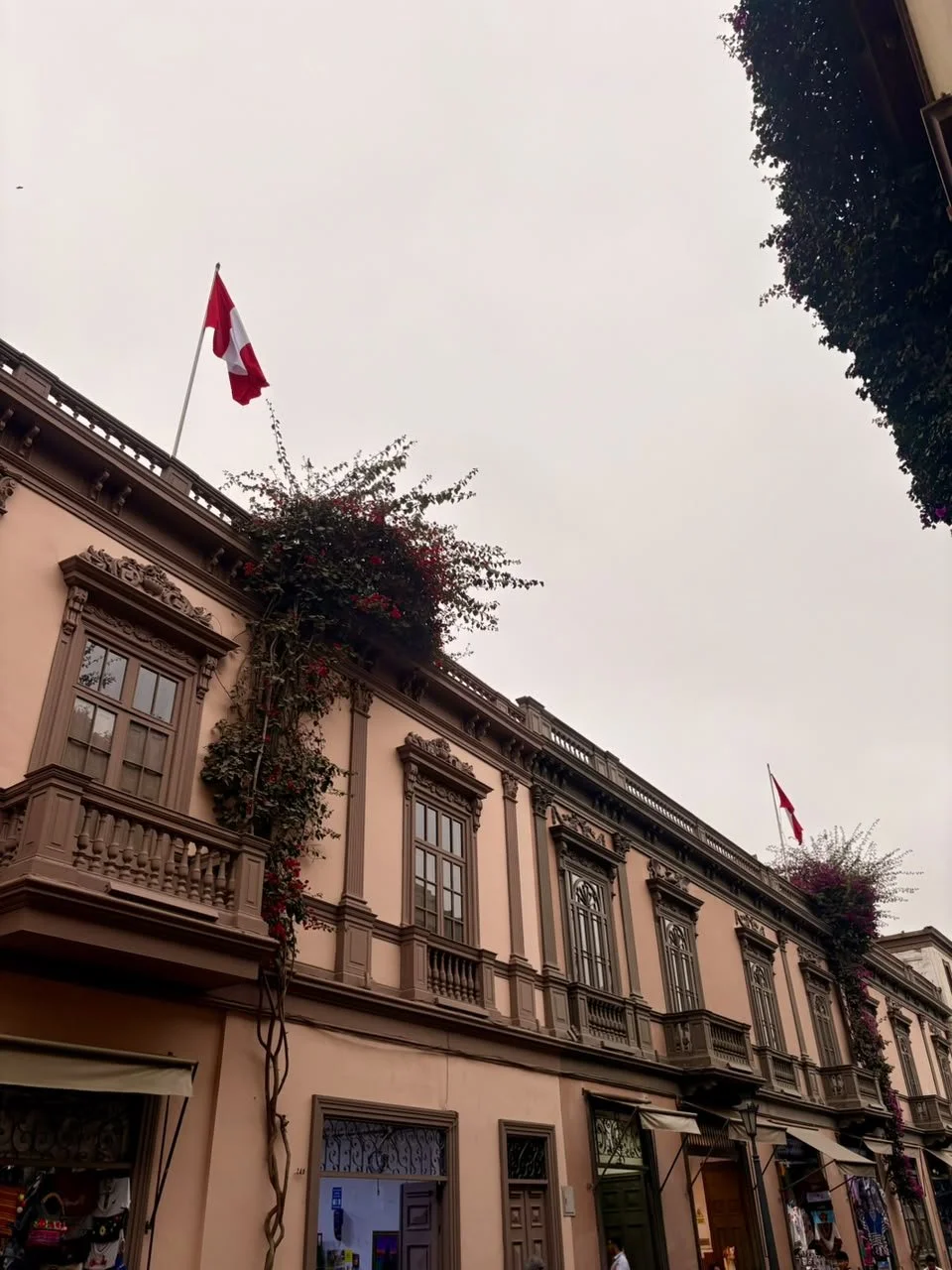
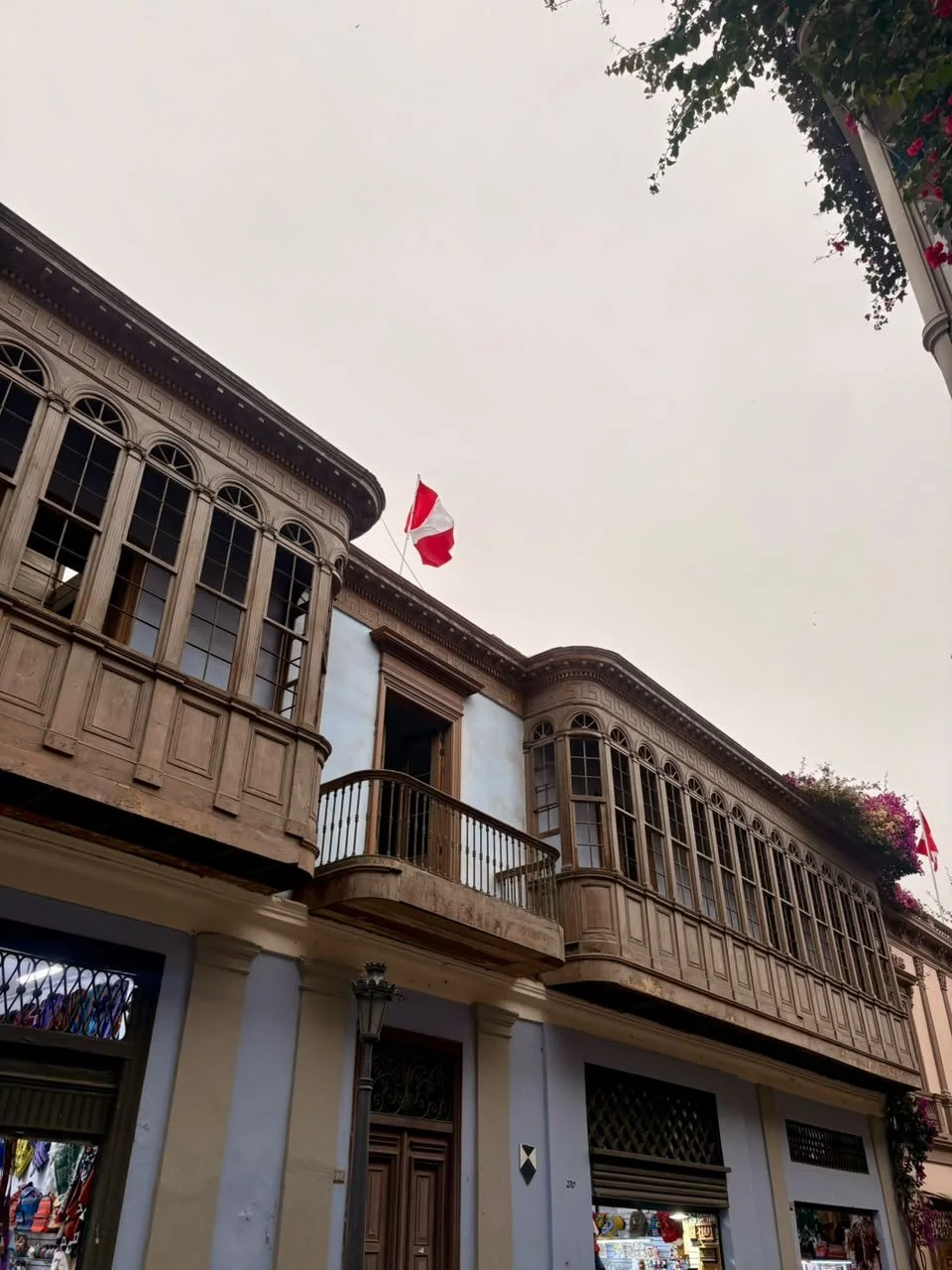
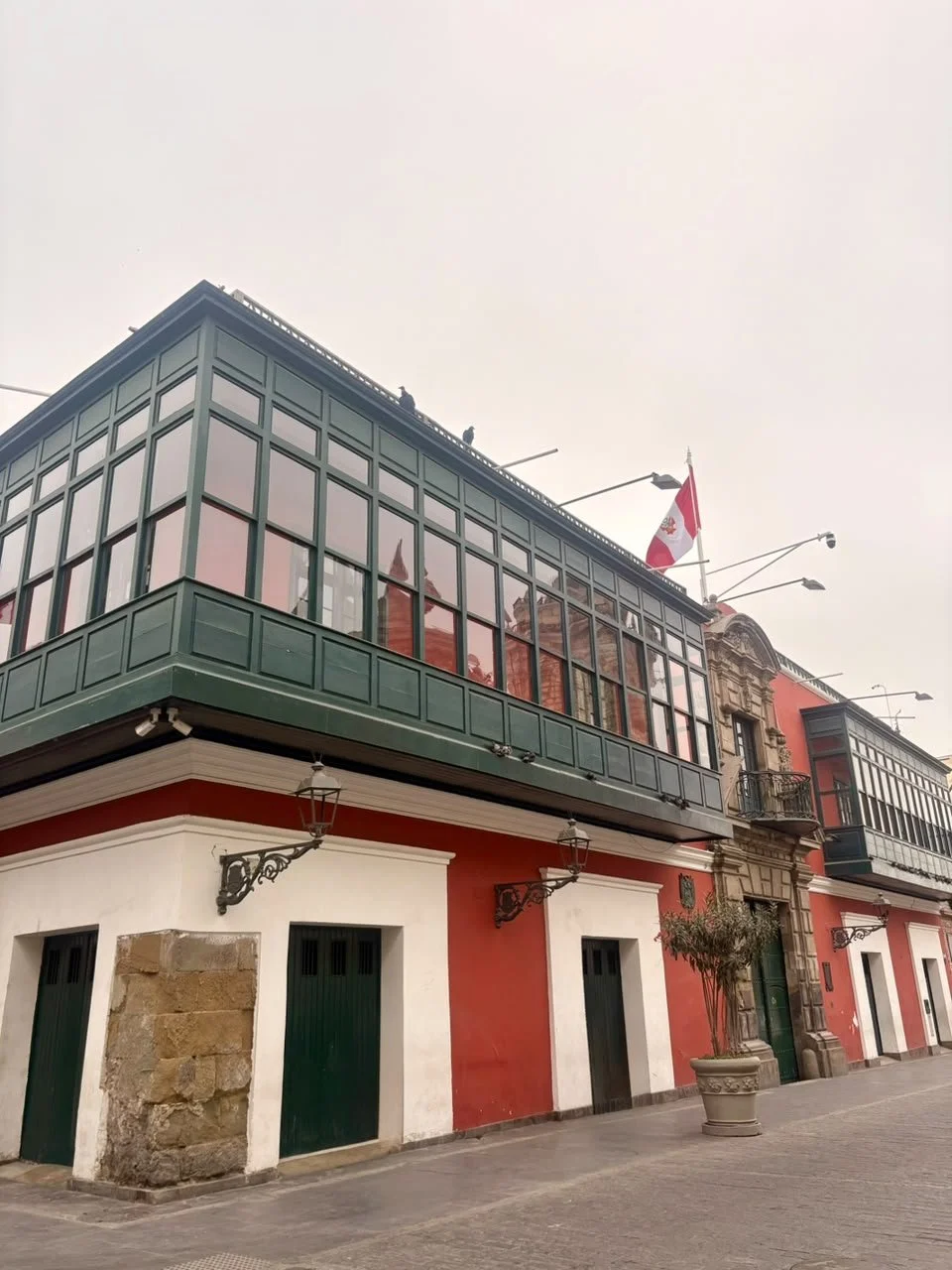
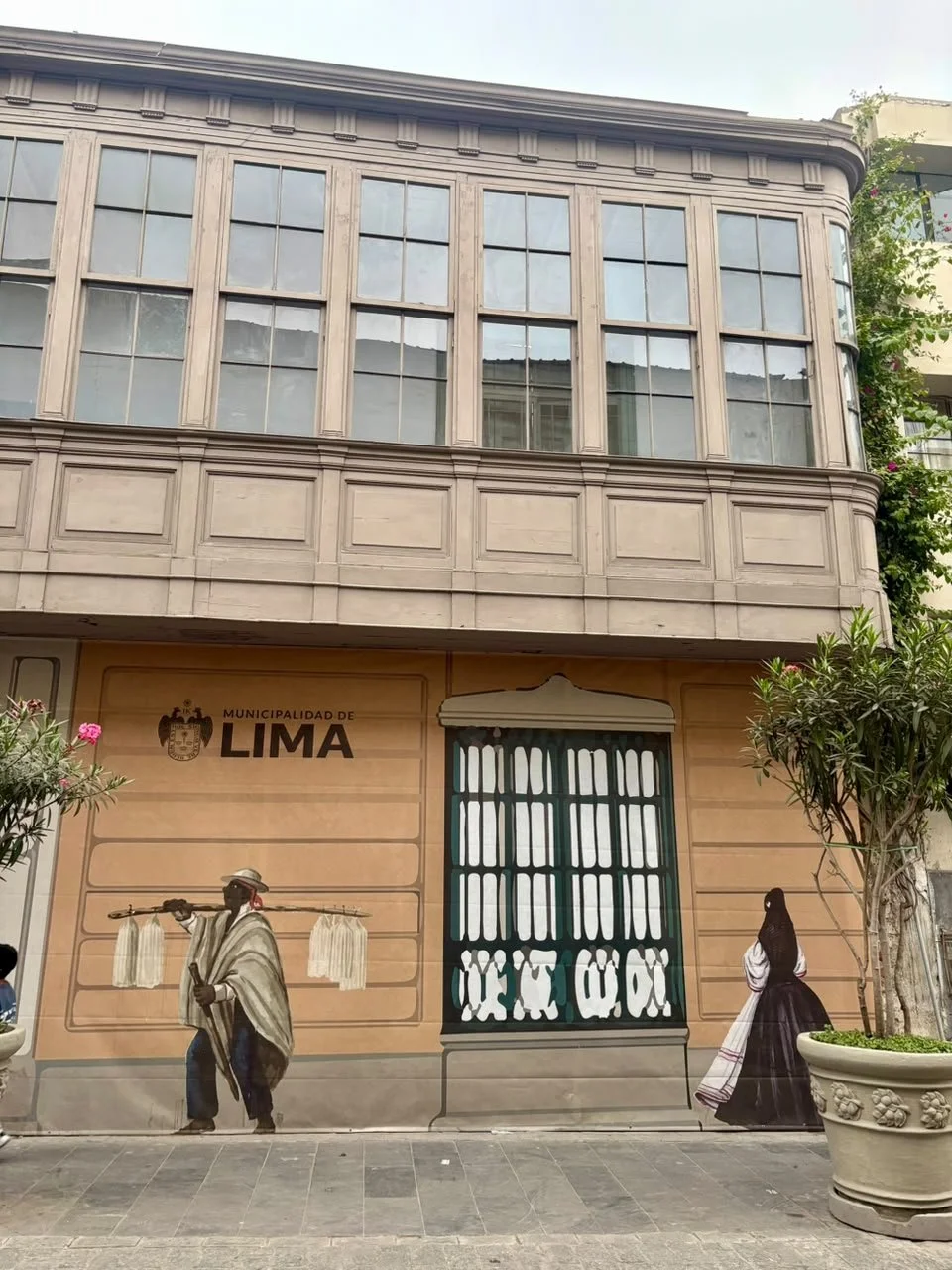
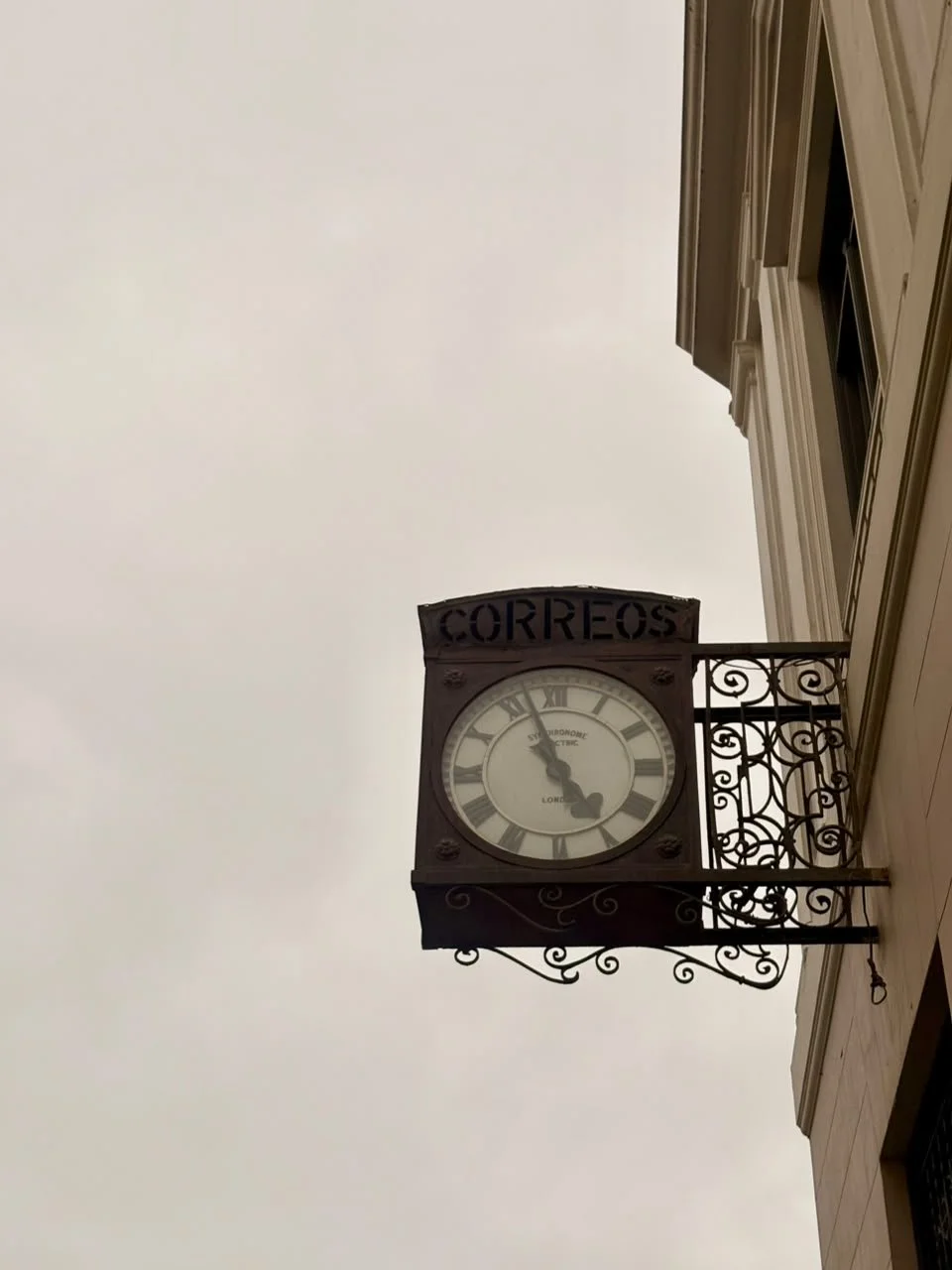
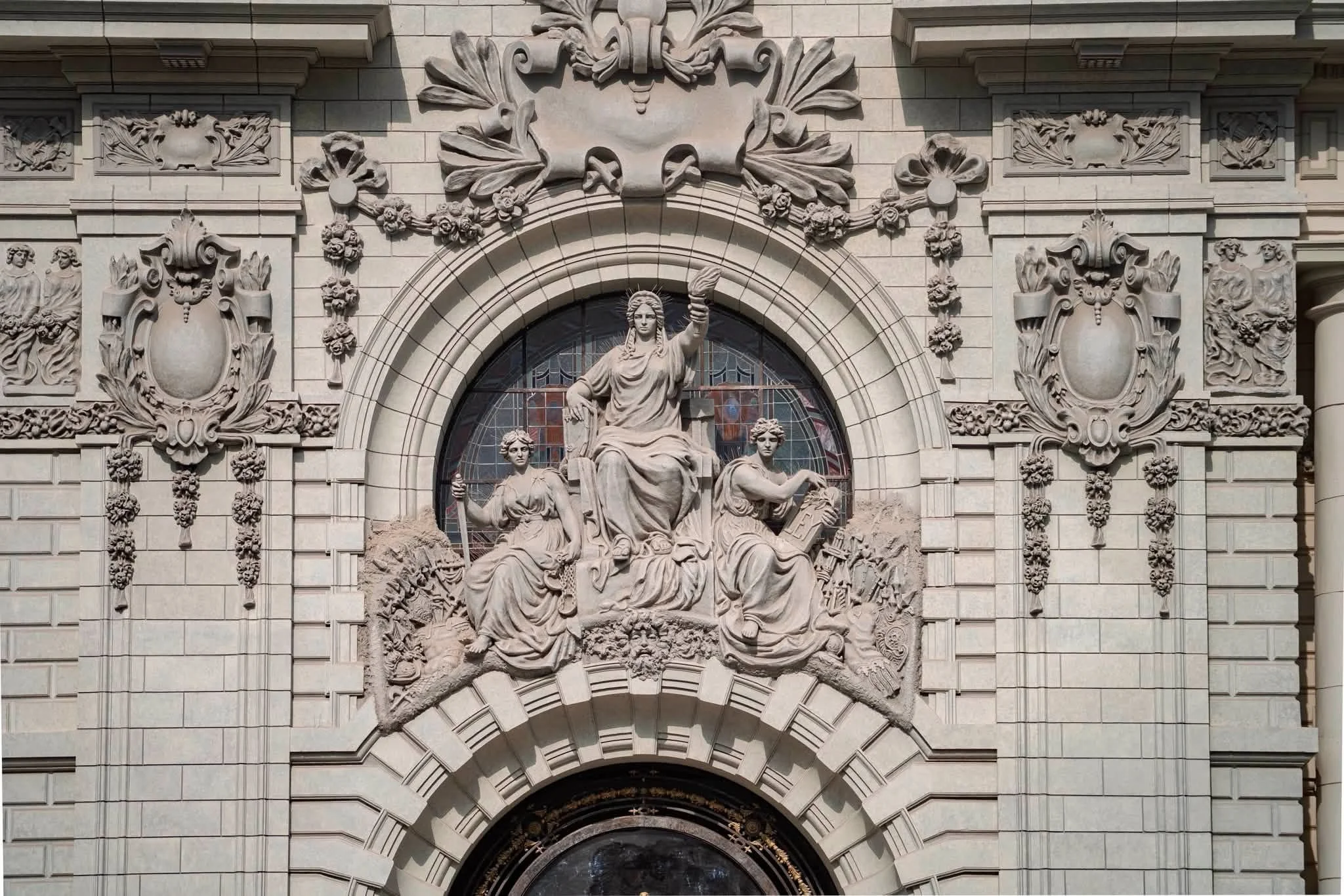
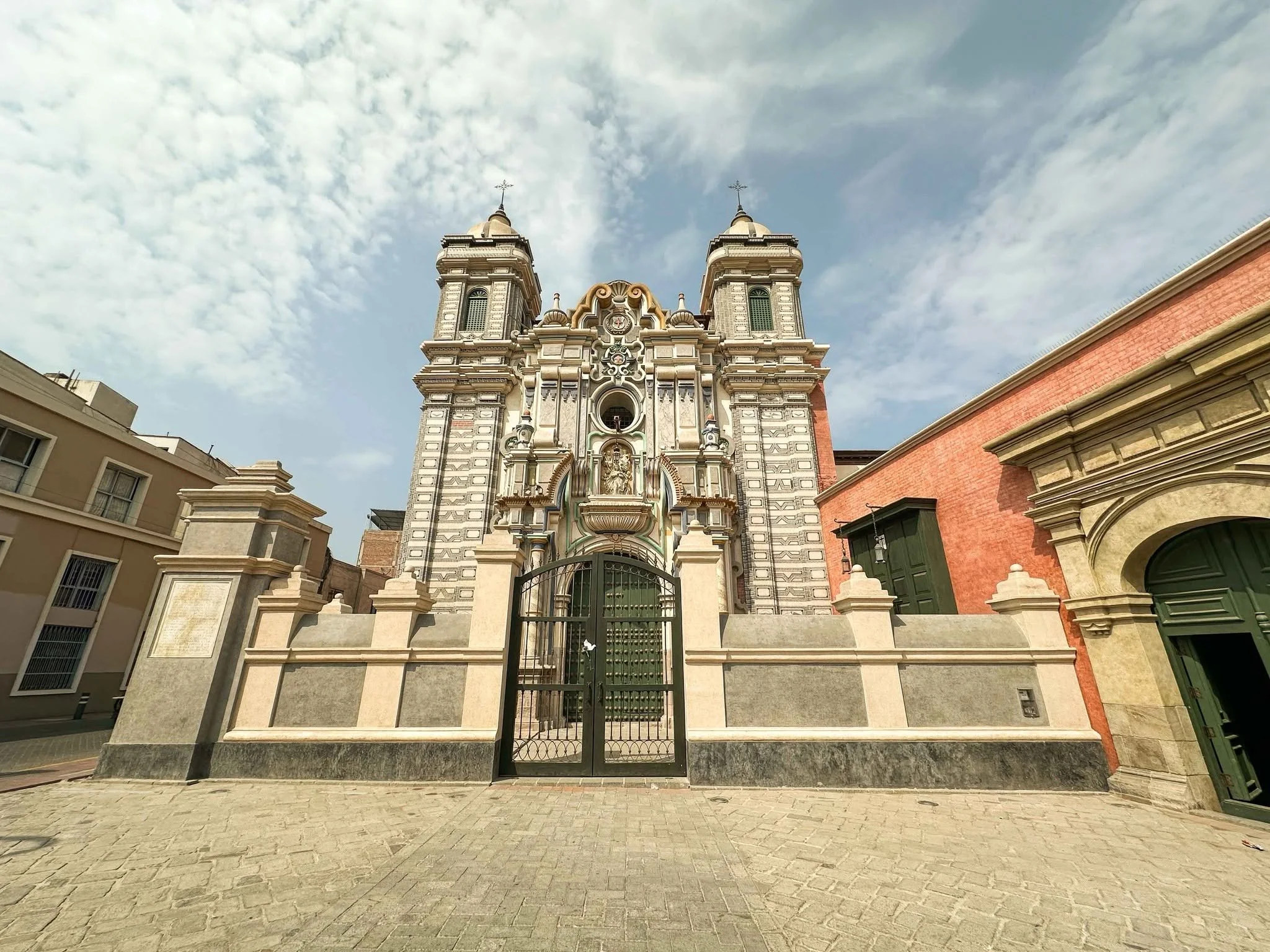
As the works progress, new layers of the city are becoming visible:restored facades are recovering their original character, historic buildings are being adapted for cultural and hospitality uses, museums are expanding their programming, and new businesses are helping reactivate neighborhoods that have long been part of Lima’s historic fabric. The goal is not only to preserve buildings, but also to restore the relationship between the city, its residents, and its heritage.
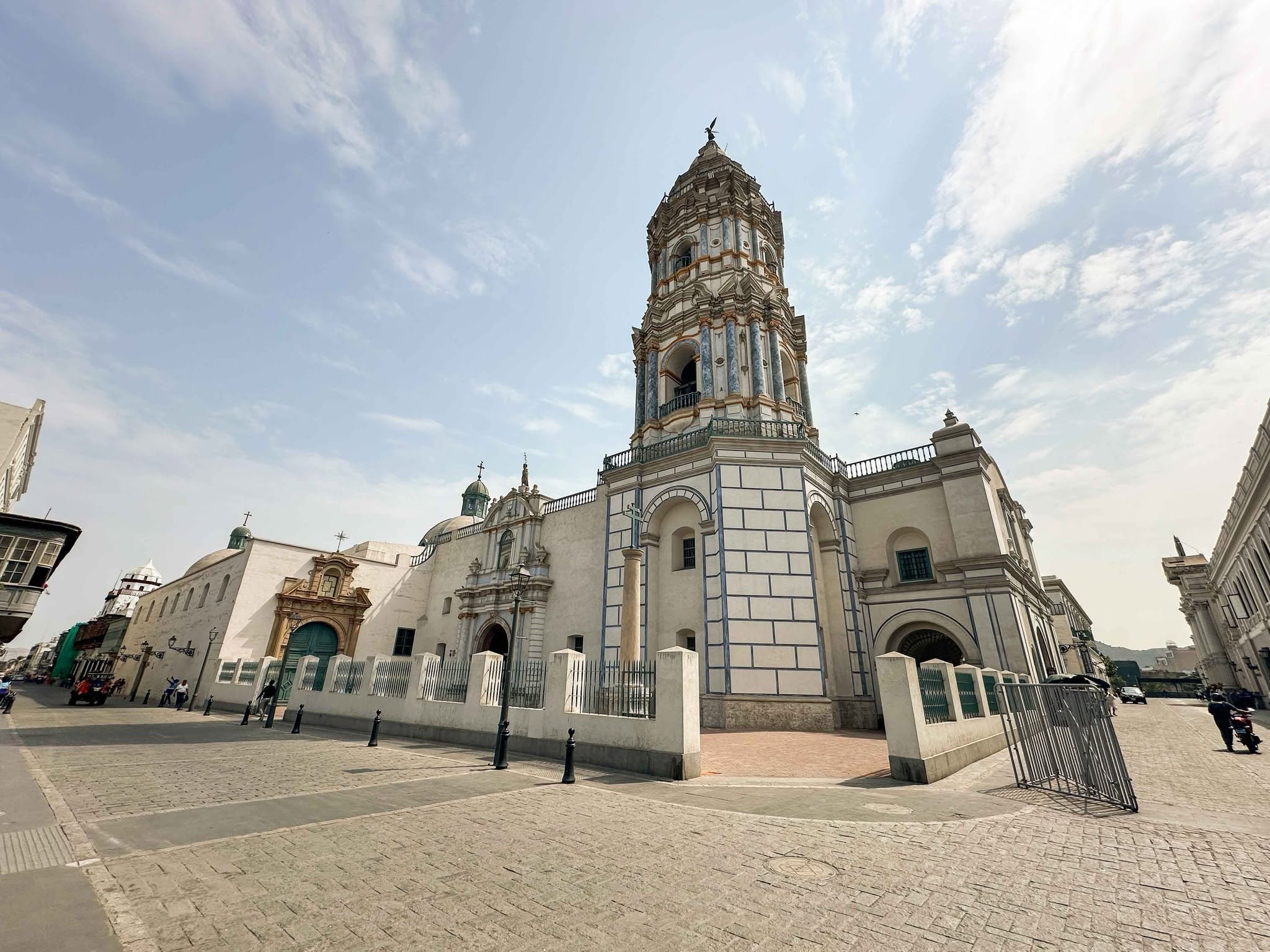
For visitors, this renewed energy is changing the experience of exploring downtown Lima. A walk through Plaza Mayor and its surrounding streets becomes a journey through nearly five centuries of history, where restored architecture, contemporary culture, and everyday local life intersect.
Known as the “City of Kings,” Lima has always been a place of contrasts. Baroque churches, elegant colonial mansions, and centuries-old traditions now coexist with contemporary galleries, specialty coffee shops, artisan ice cream parlors, and a new generation of restaurants that continue to strengthen the city’s reputation as one of Latin America’s leading culinary destinations. The result is a district that feels an essential place for understanding Lima's past, present, and future.
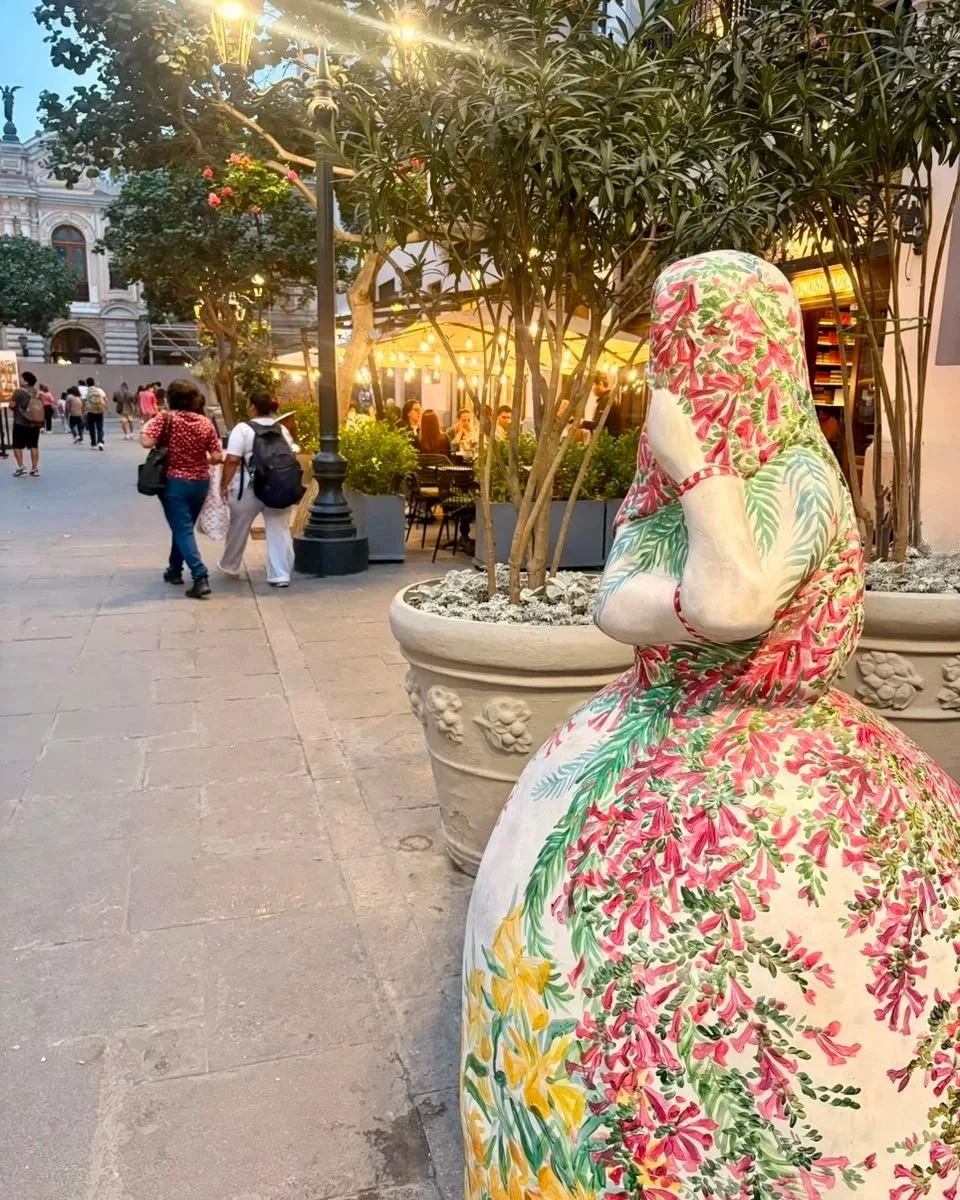
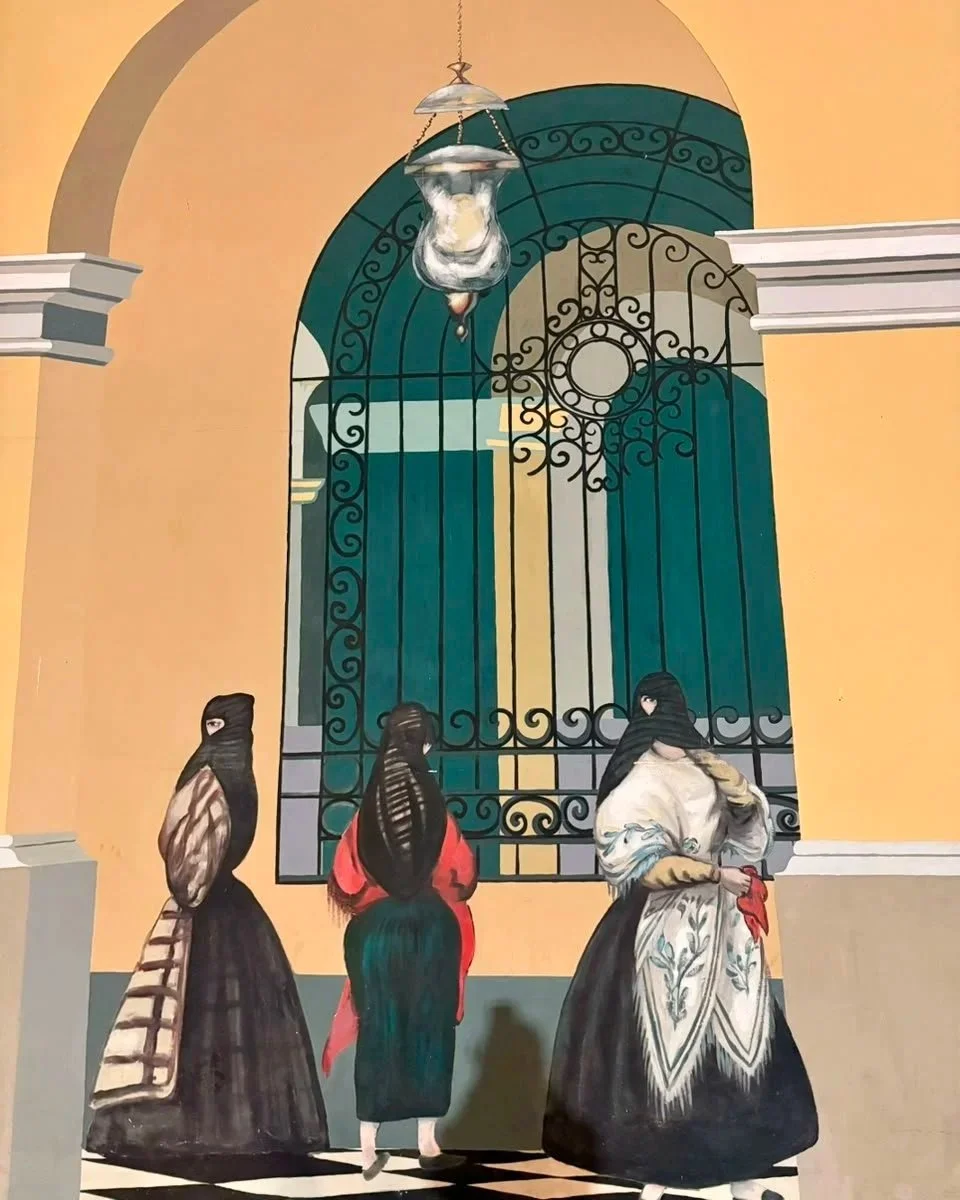
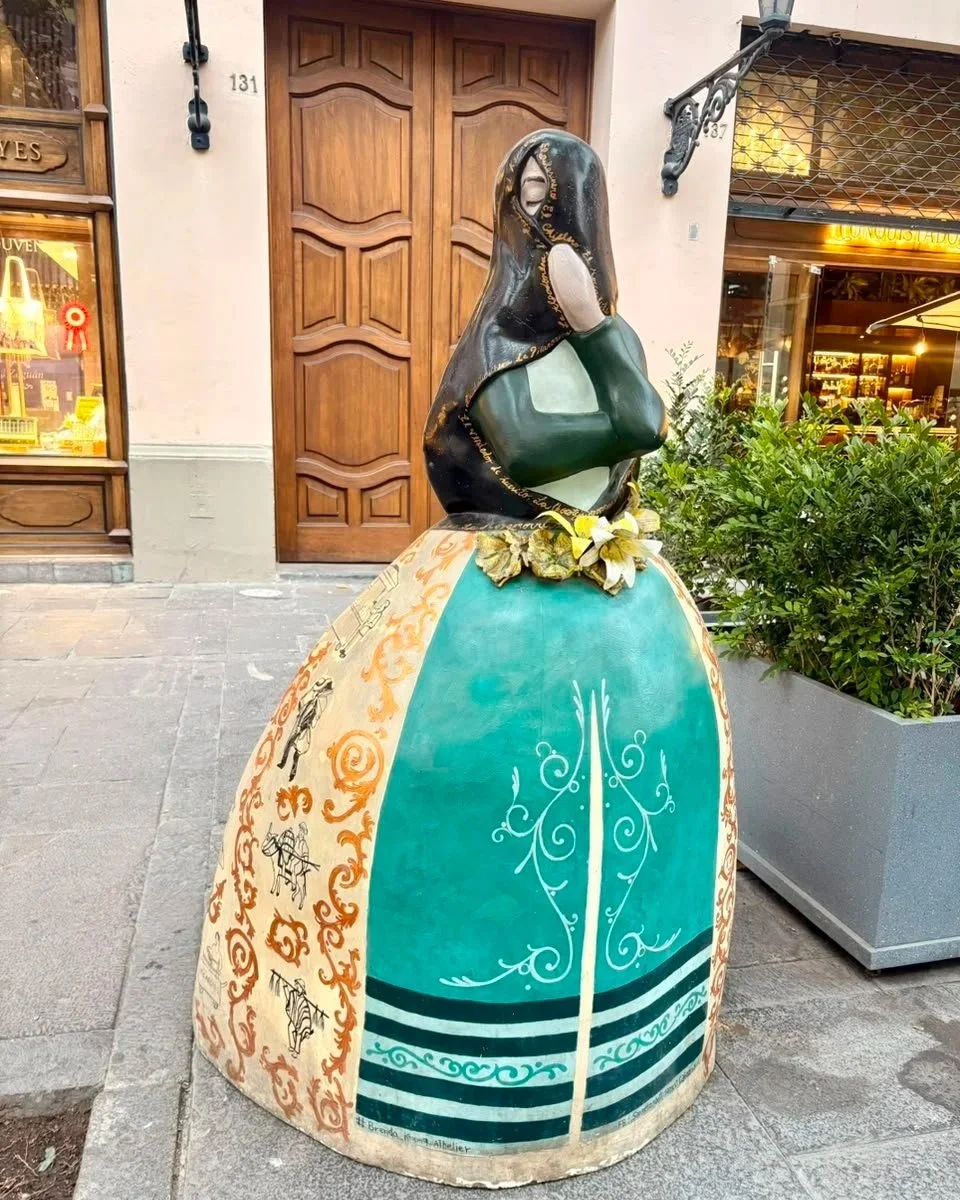
The return of the Tapadas Limeñas
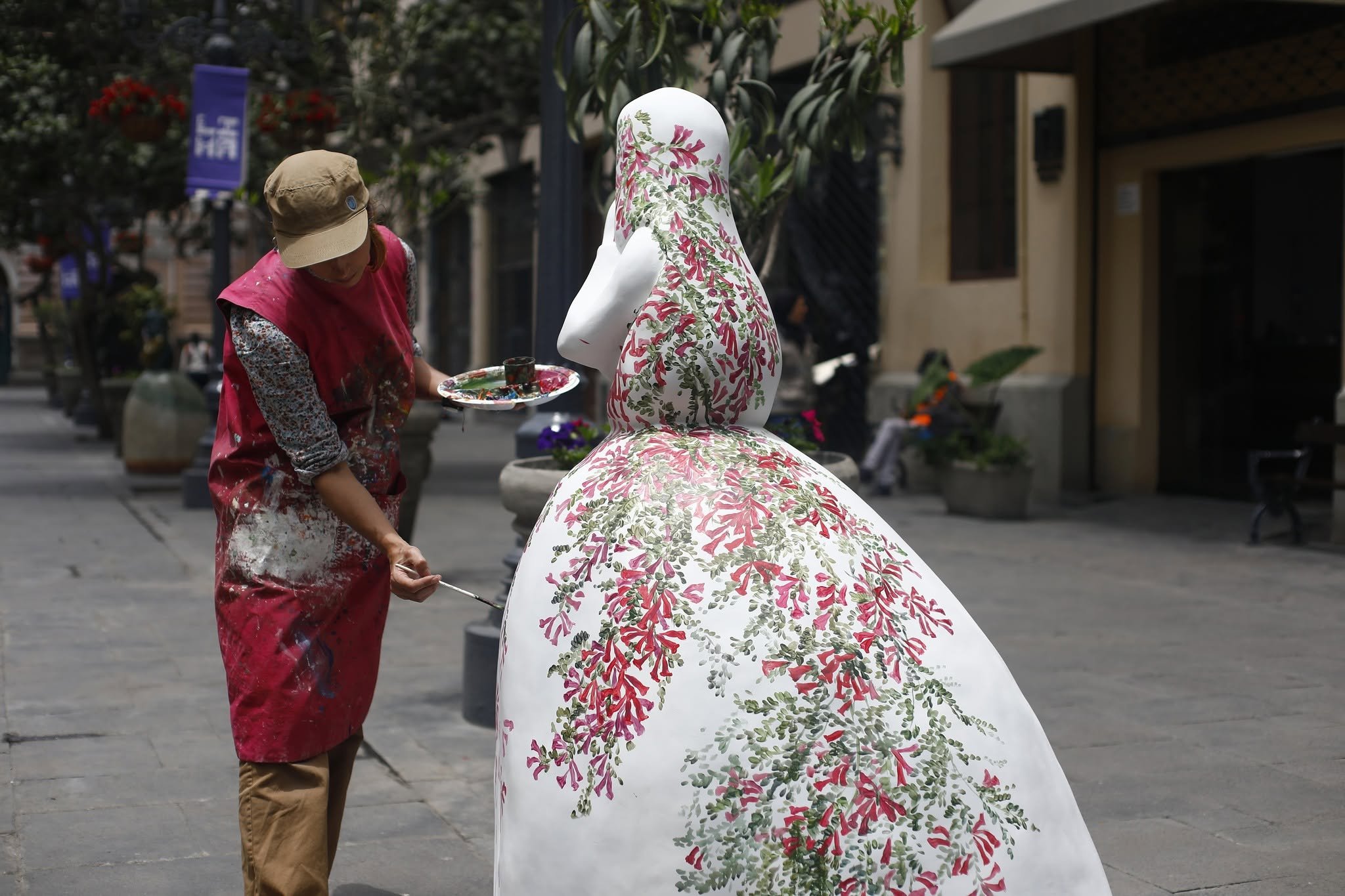
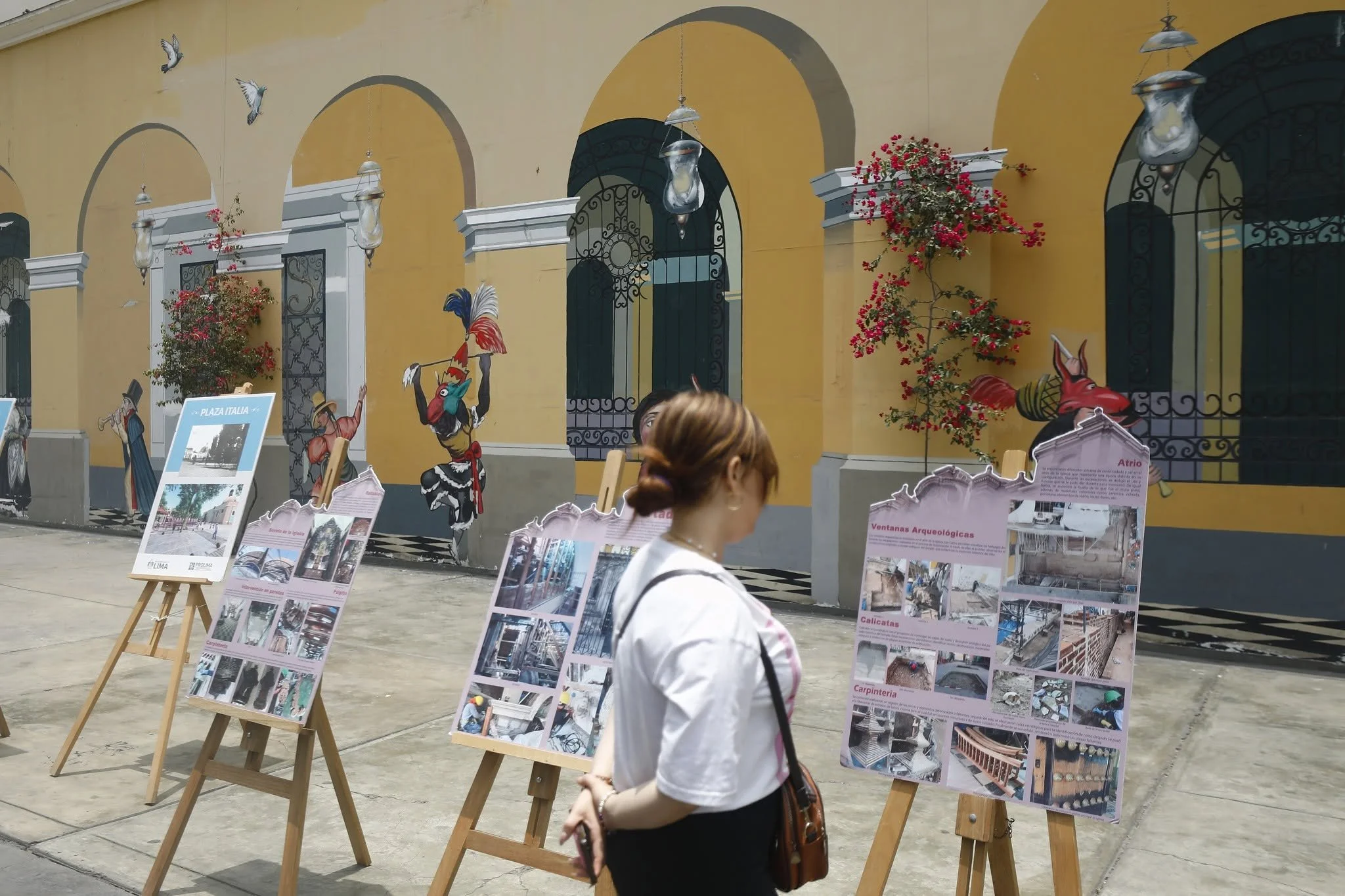
Few figures are as closely linked to Lima's colonial history as the Tapadas Limeñas, women who from the 16th to the 19th century walked the streets wearing a silk skirt and a 'manto' that covered most of the face, leaving only one eye visible. The veil offered anonymity in public spaces and a level of freedom unusual for the period; contemporary writers described the tapadas as witty, elegant, and independent, and over time they became one of Lima's most distinctive urban symbols.
Today the tapada has reappeared across the district's newly walkable streets through murals and public art; urban art that makes the walk through the Historic Center more colorful and more fun, not just more historic.
Behind the restoration with PROLIMA
At QN, we go behind the scenes with PROLIMA to arrange something unique: private visits to active restoration sites, accompanied by the architects and conservation teams carrying out the work; a rare chance to see conservation in progress, guided by the people actually doing it.
A new boutique hotel in Lima's Historic Center
One of the clearest signs of the district's renewed momentum is the arrival of a new luxury boutique hotel.
The Meliá Collection Lima will become the first hotel of The Meliá Collection brand in Peru, located just a few blocks from Plaza Mayor. The opening is planned in two phases: the first, expected by the end of this year, with 61 guestrooms; the second, planned for July 2027. Set within a restored historic property, it reflects a growing interest in preserving Lima's architectural heritage while giving travelers a base to explore the district on foot.
Discovering Lima through its historic heart
Our Lima Historic City Tour can be built around your clients' needs and interests, with stops such as:
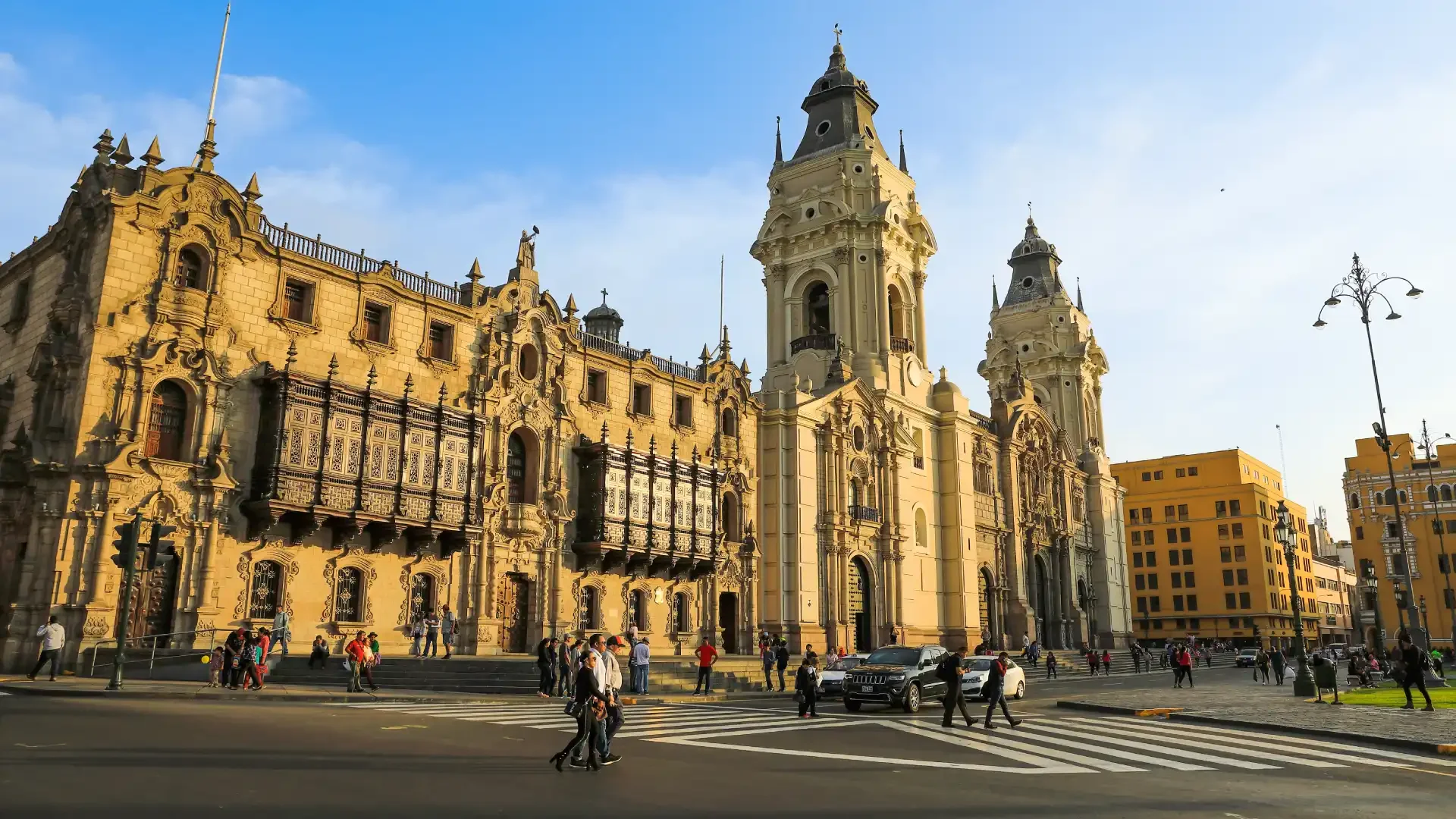
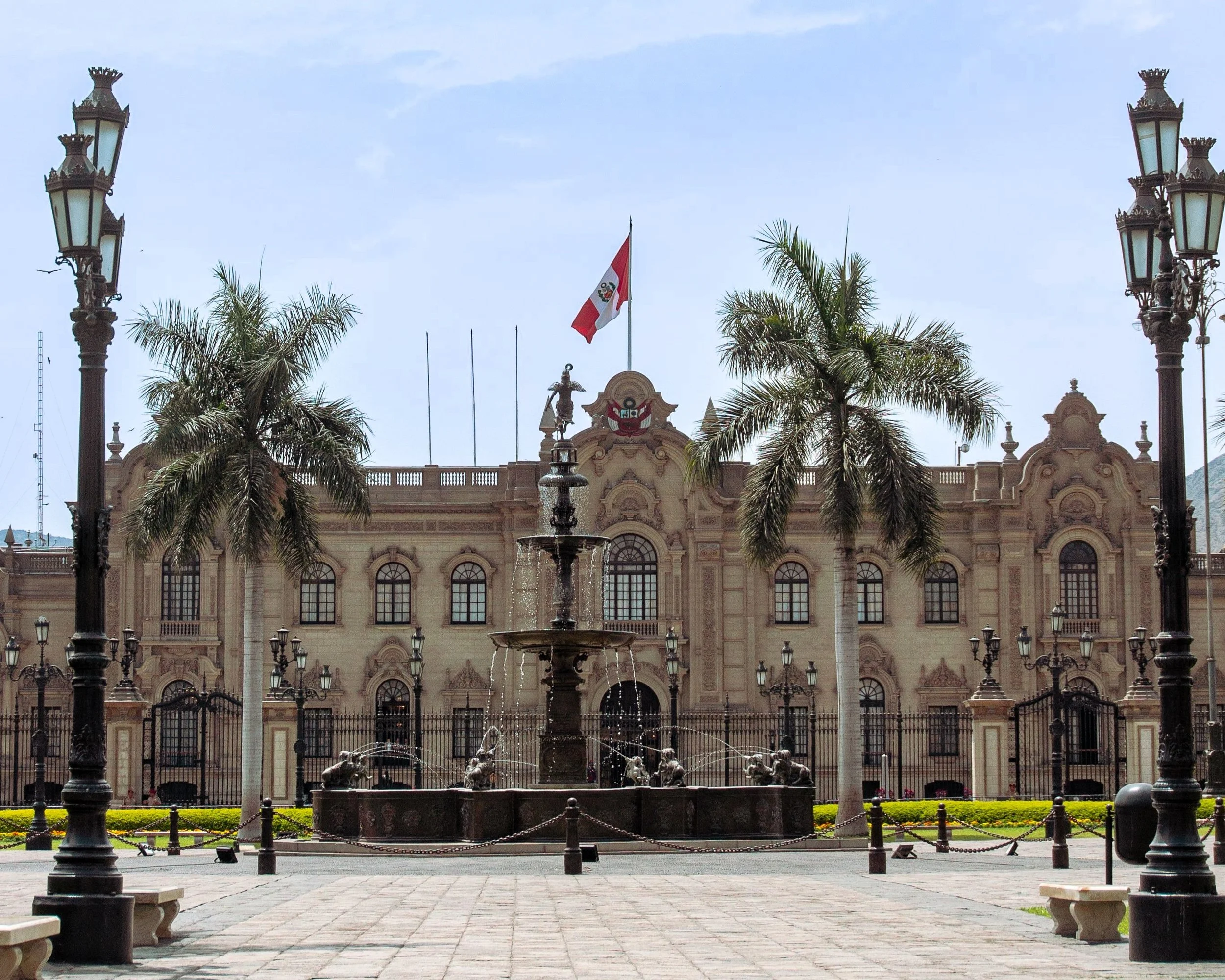
• Plaza Mayor: A walk through the plaza and its surrounding jirones, with time to stop at the small restaurants and cafés that have brought the square back to life.
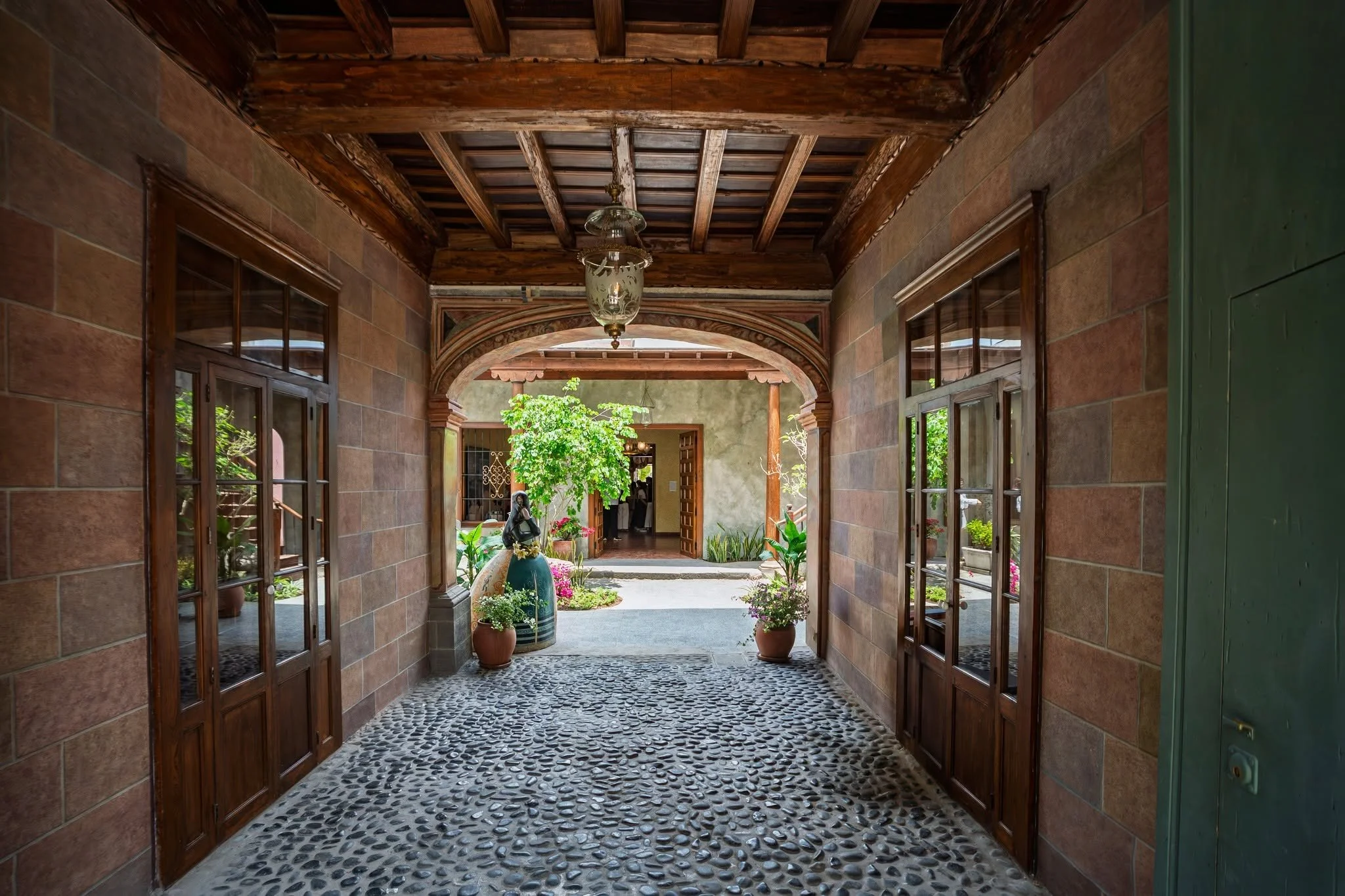
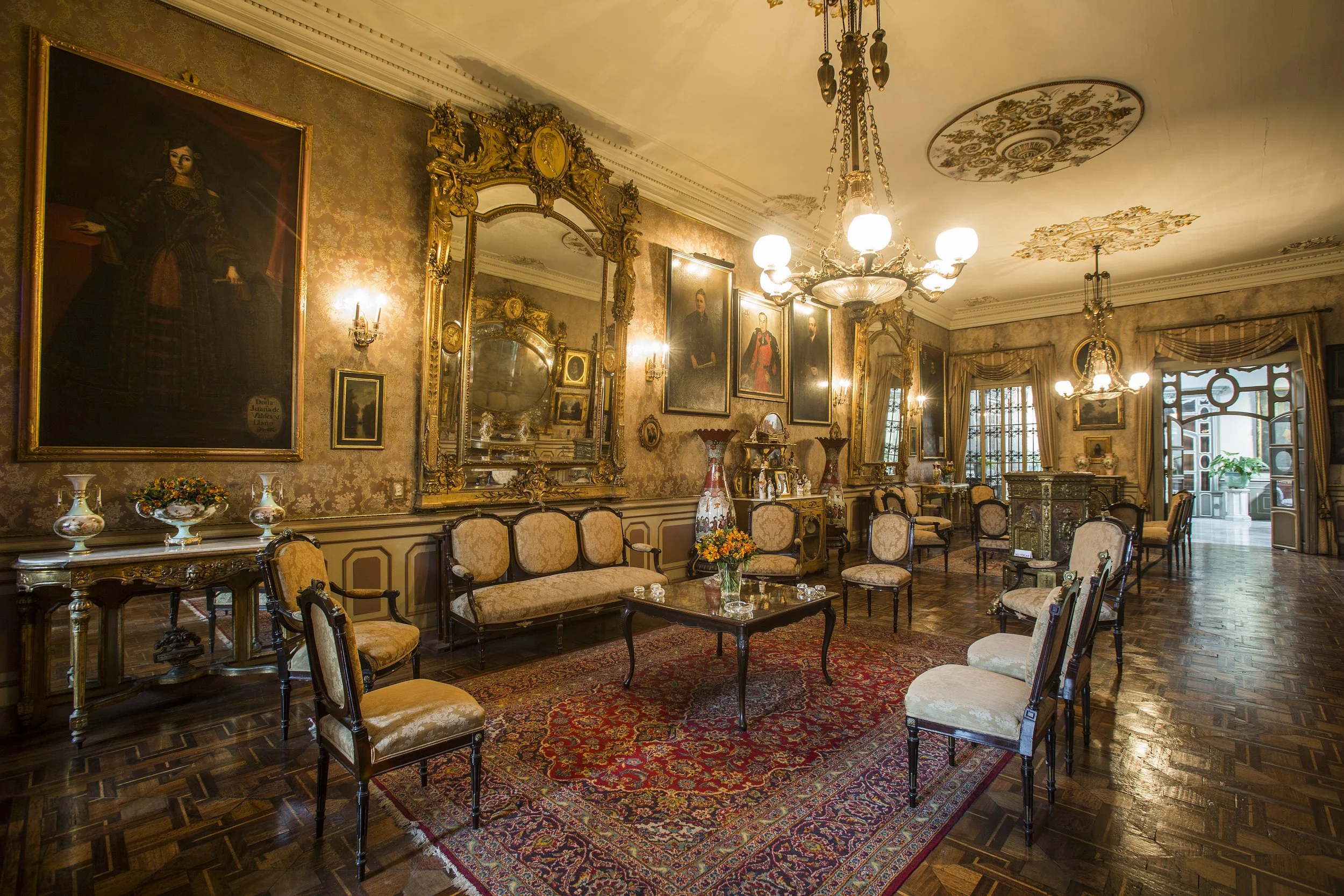
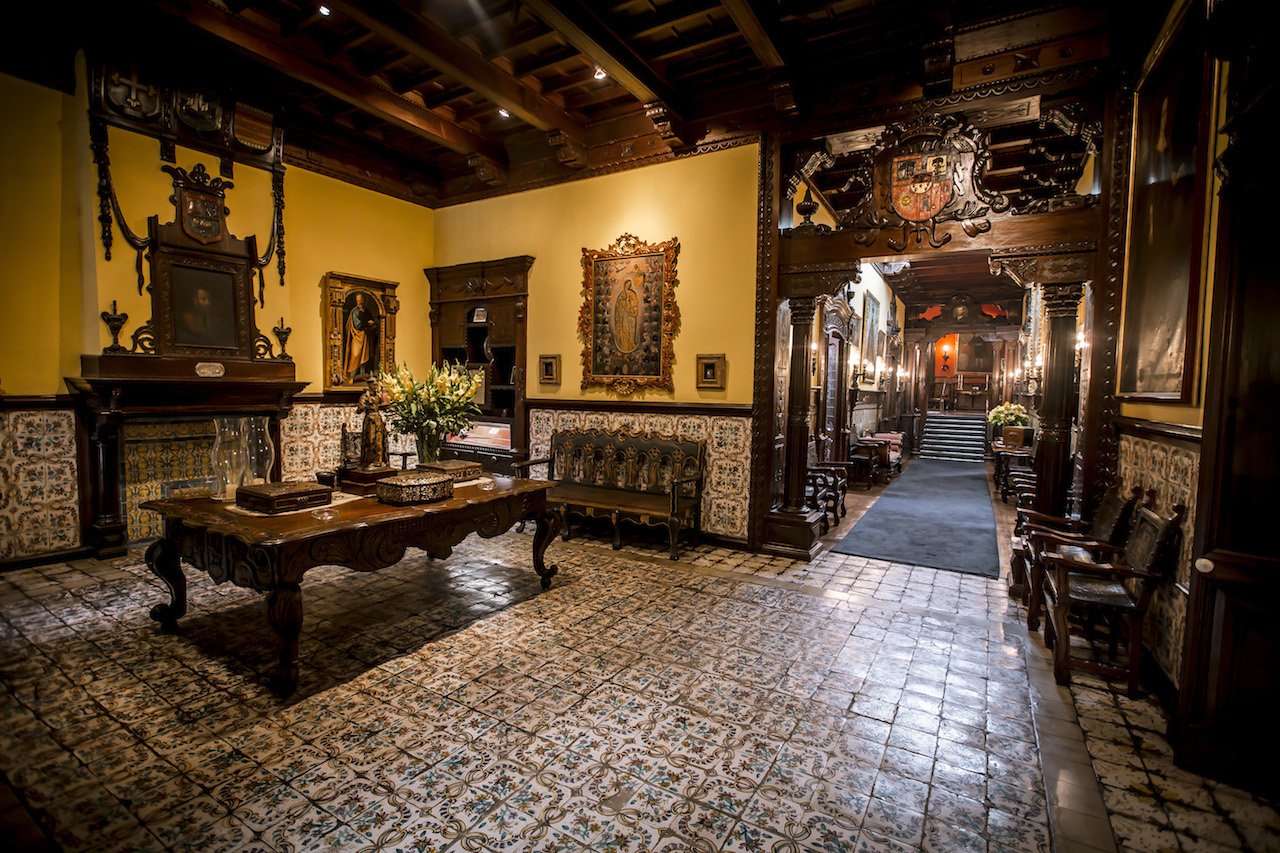
• Casa Aliaga: Dating back to 1535 and still home to the same family, now in its 17th generation. Our on-the-ground connections allow us to have Jerónimo de Aliaga, from that 17th generation, can host a private 18th-century-style dinner inside the house itself.
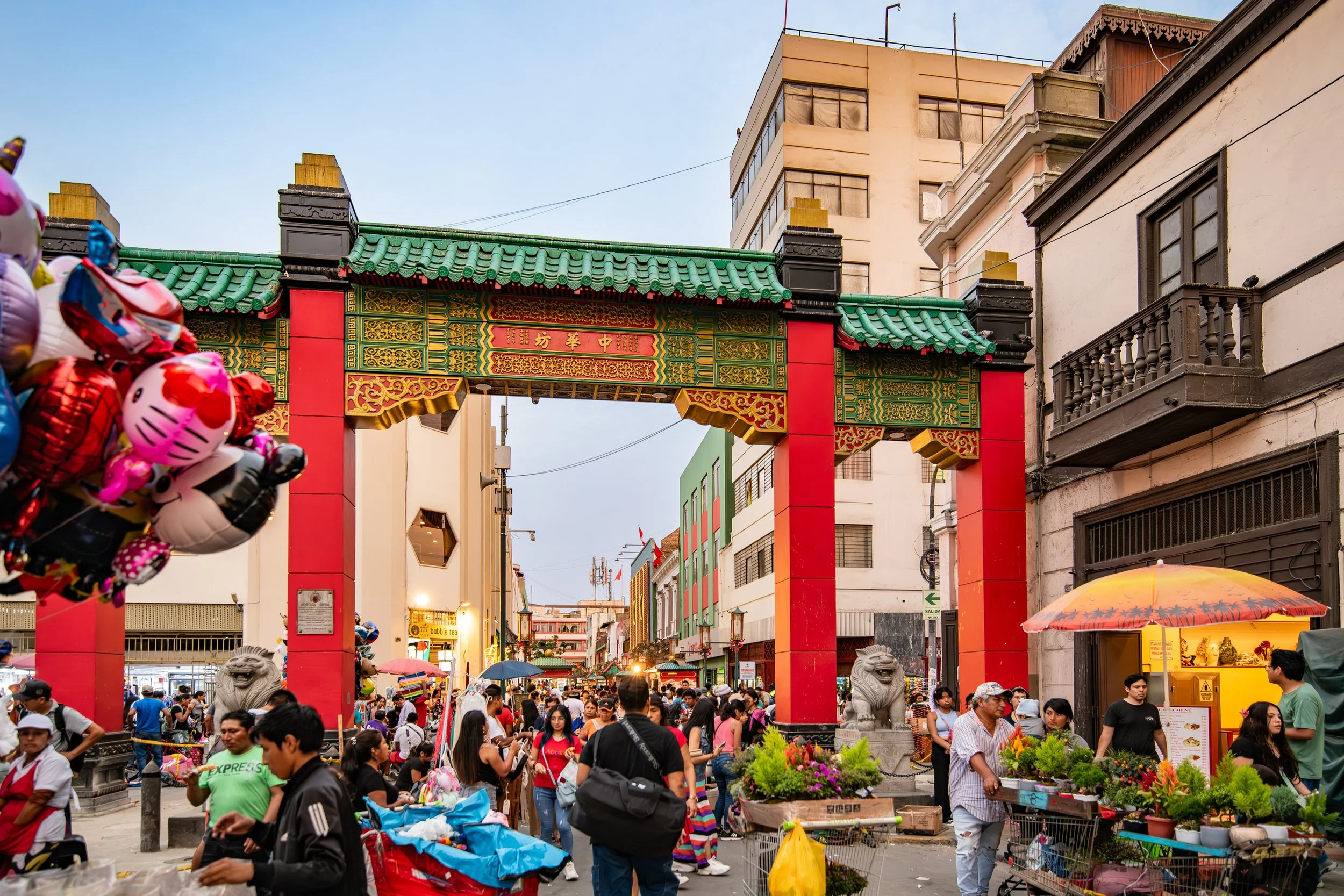
• Barrio Chino: Centered on Calle Capon, as much a food stop as a heritage one, with chifas tracing over a century of Chinese-Peruvian cuisine, and a savory street food tasting experience of its own.
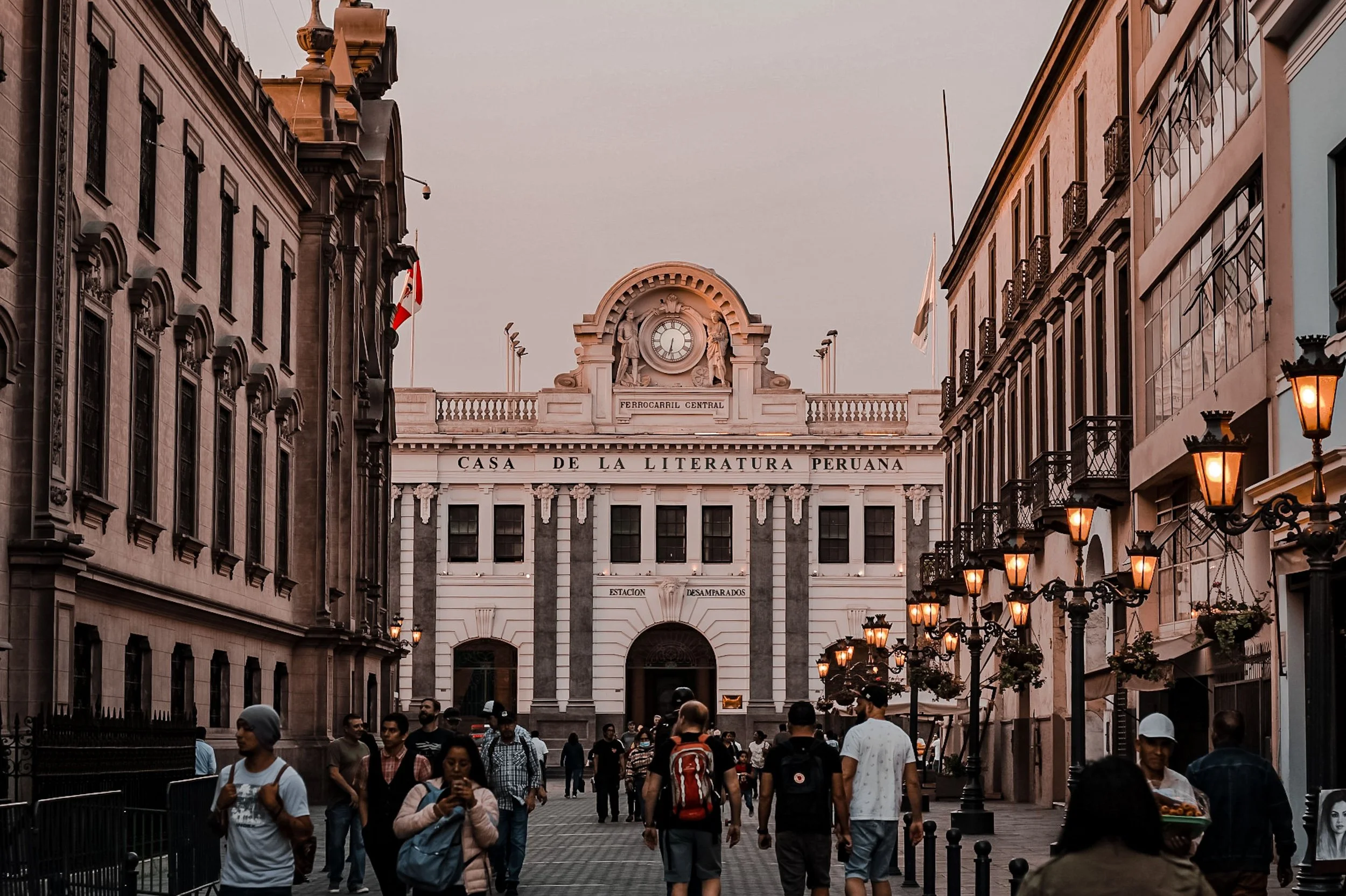
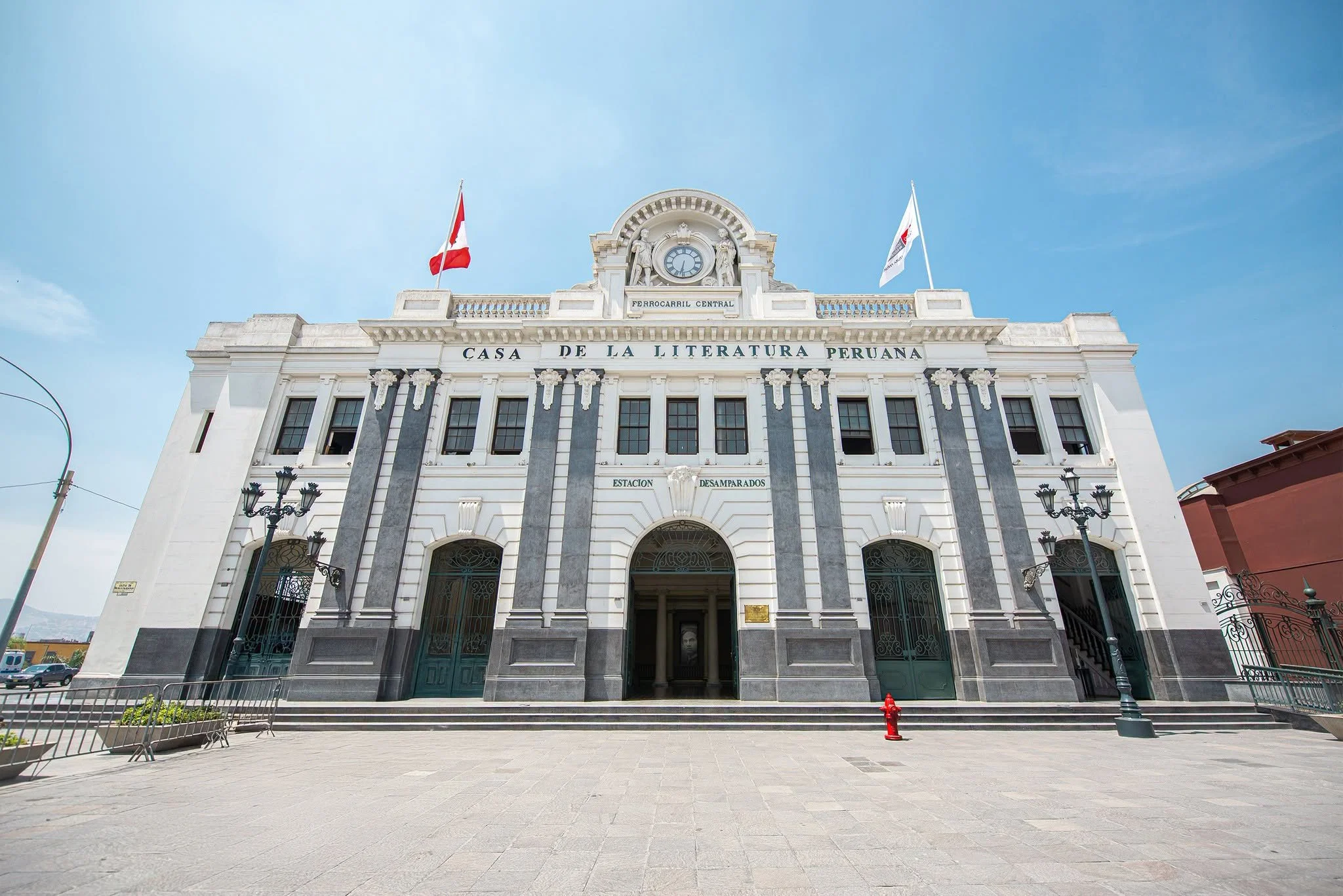
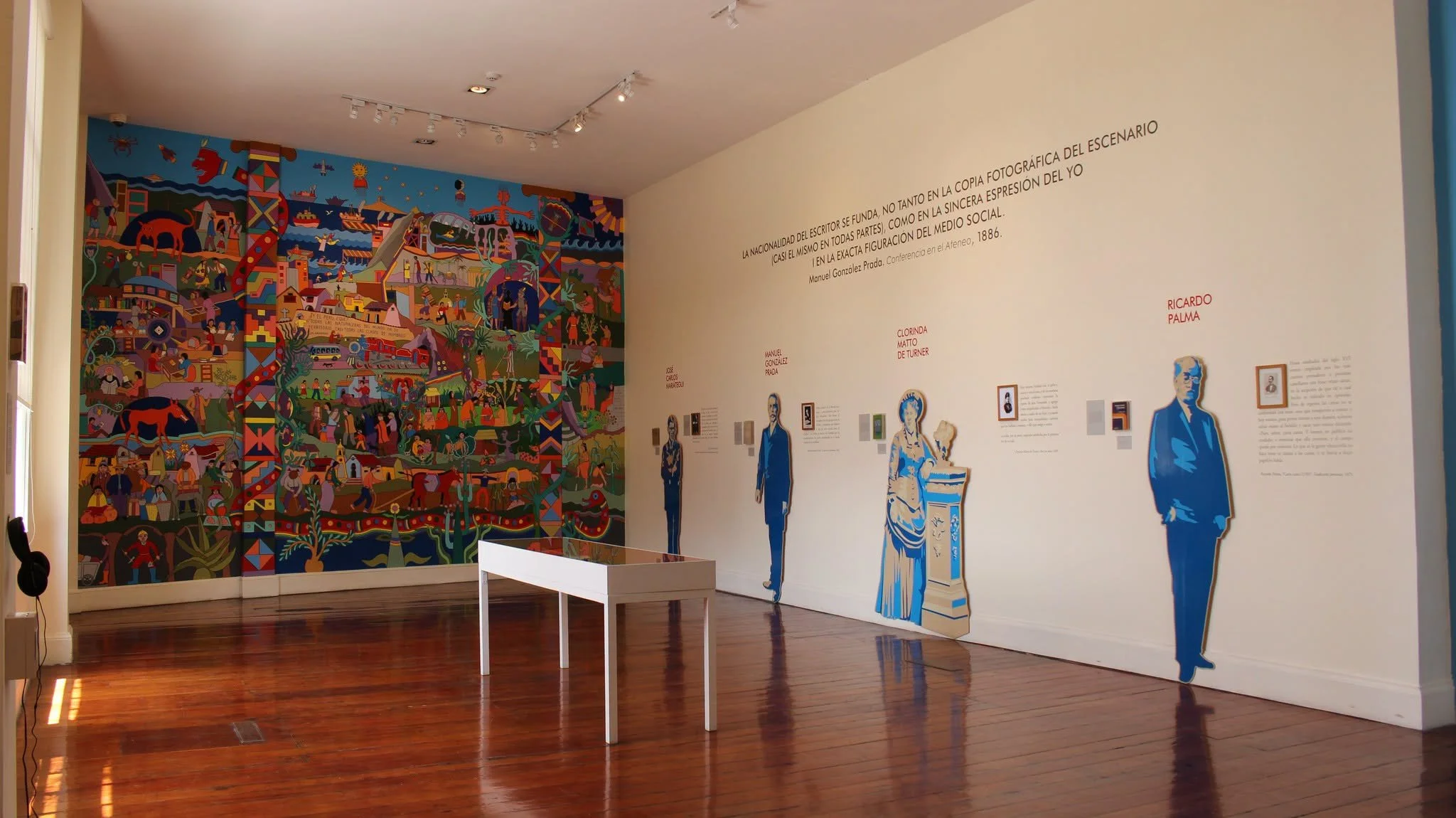
• Casa de la Literatura Peruana: Housed in the former Desamparados train station, a chance to learn about Peruvian writers - from colonial chroniclers to Nobel laureate Mario Vargas Llosa - and how their work was shaped by their era, alongside Peru's 48 native languages.
And many more stops beyond these. What we love most is simply having clients enjoy the new pedestrian streets: walking, stopping for a good ice cream or a specialty coffee along the way.
For travelers visiting Peru, Lima's Historic Center is where history, innovation, and culinary excellence come together. For more information on these experiences, please contact our Peru team.
