
Machu Picchu 2026:
Finding the right way to experience it
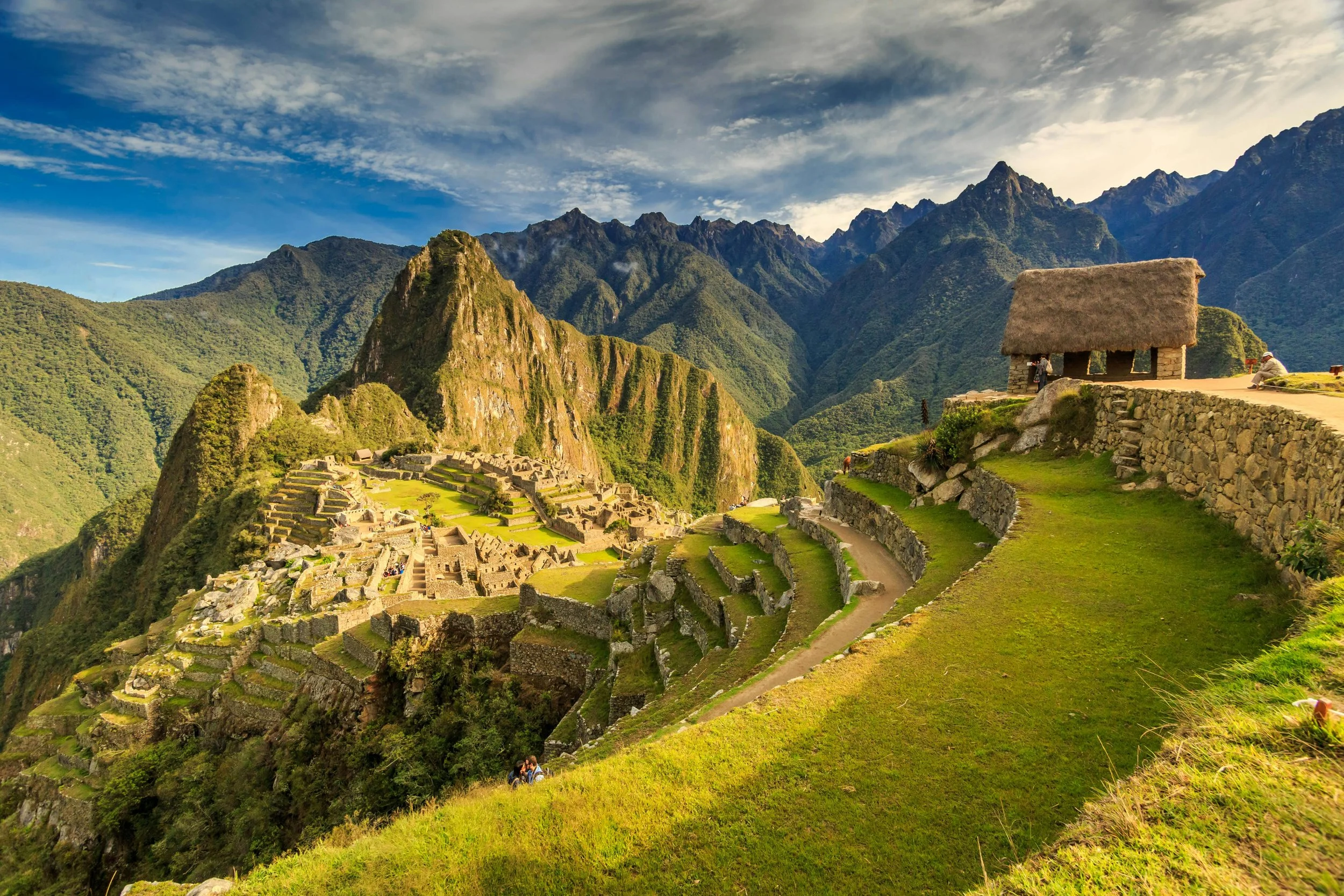
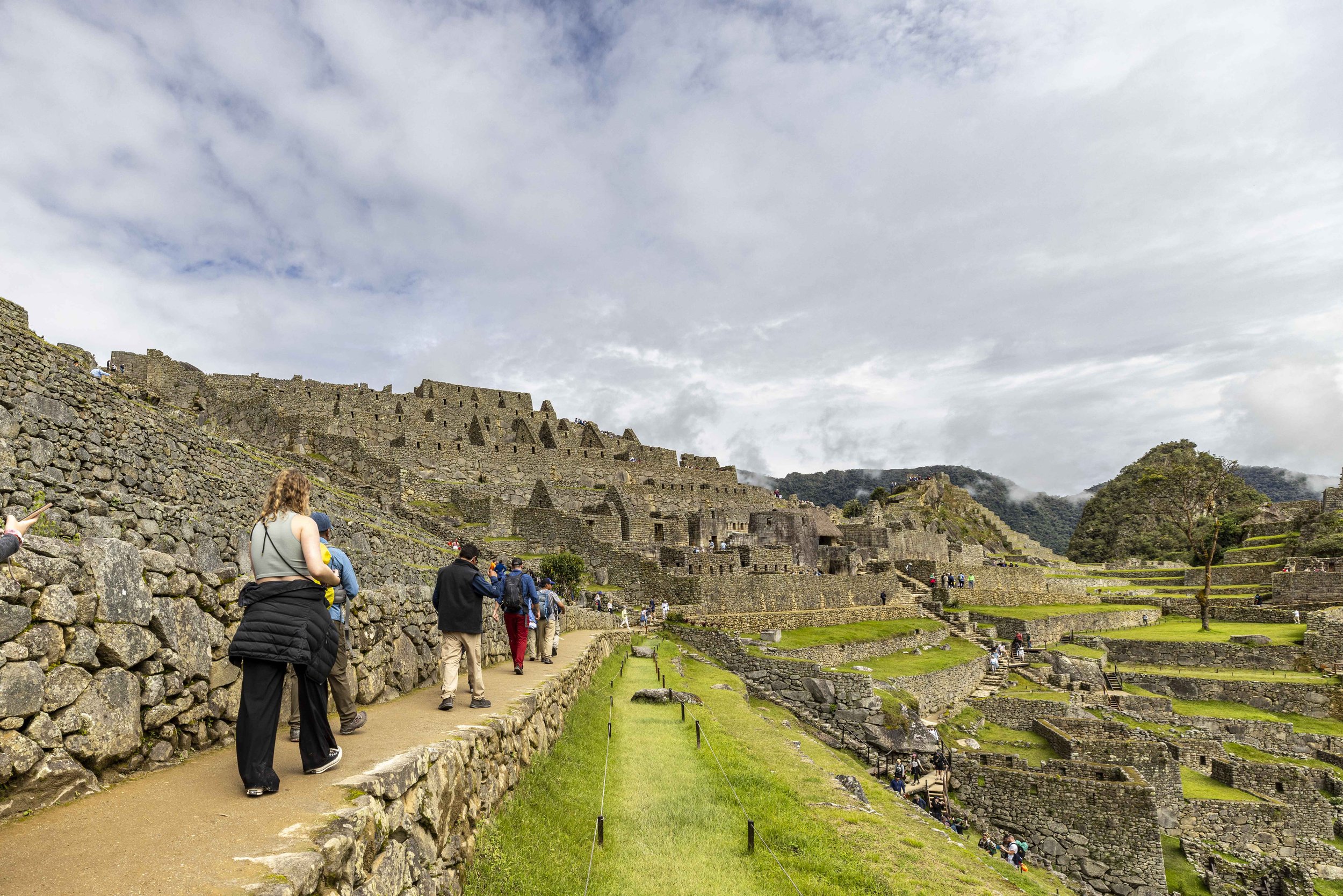
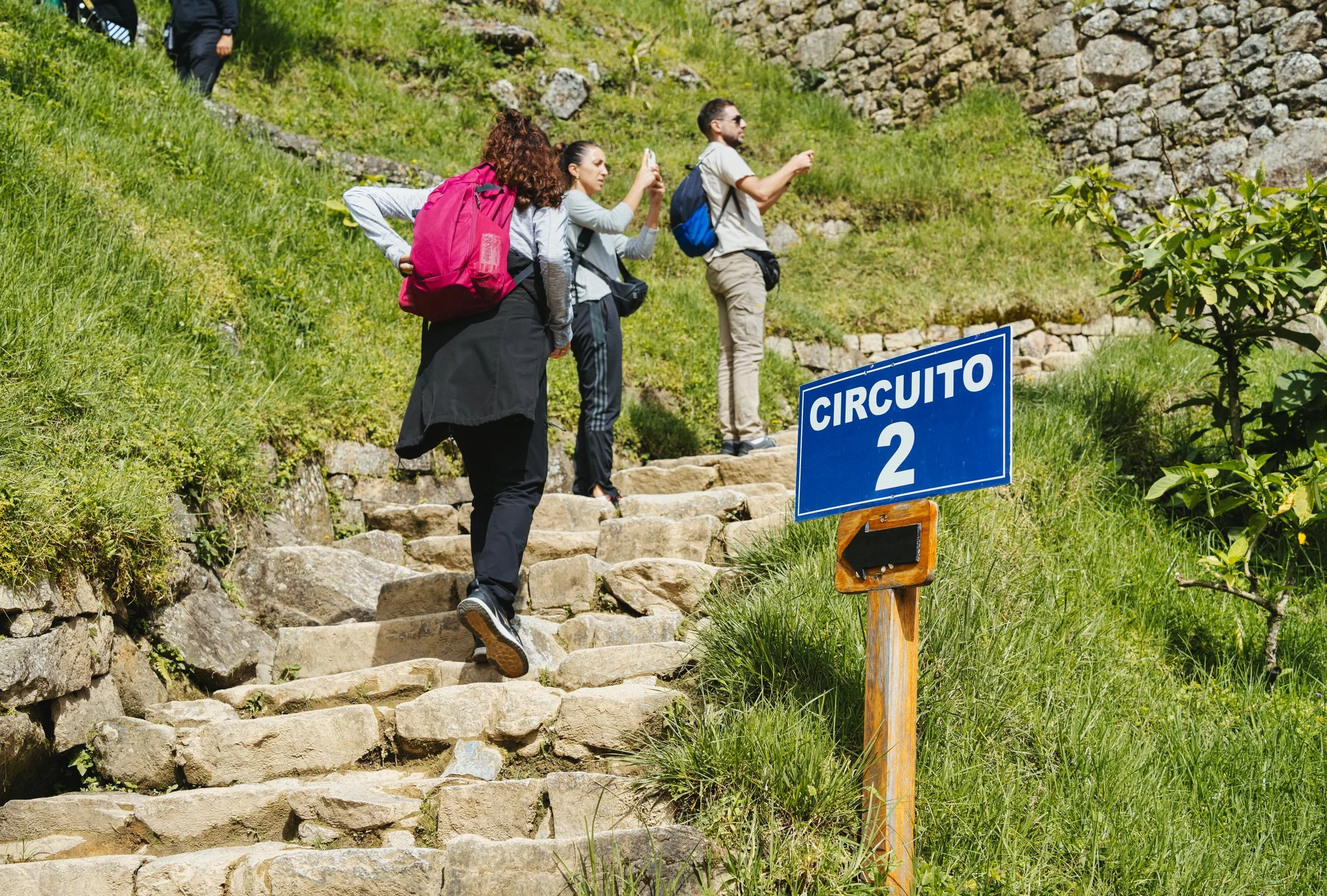
Every client wants their perfect Machu Picchu moment; and the good news is, Machu Picchu delivers that on its own. It's stunning at any hour; you don't need a sunrise entry or a race against the crowds to make it memorable. What you do need is enough lead time. Our team will be holding your hand through every step of the booking, but it helps to walk into that conversation with your client already knowing the operational picture. Here's what we check on every booking, and why.
1. Match the circuit to what your client actually wants
Not all circuits offer the same experience, and the names alone don't tell the full story.
Circuit 1 (Panoramic) is built for wide views and pairs with Machu Picchu Mountain. This is a higher, more physically demanding hike, but it delivers the classic postcard perspective from above.
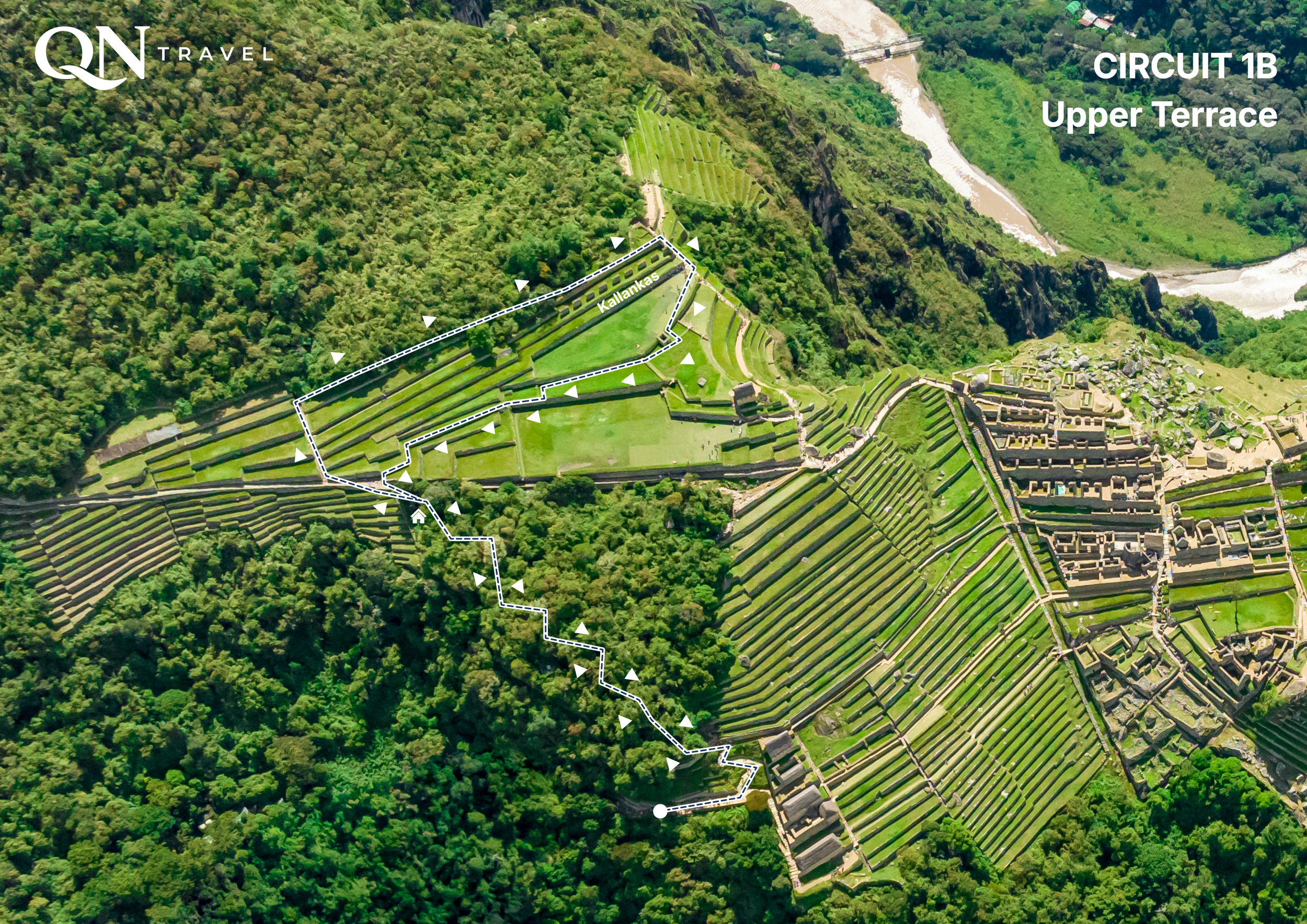
Circuit 2 (Classic) is the most complete first-timer experience: central plazas, iconic viewpoints, and the core architectural highlights, all in one spectacular route.
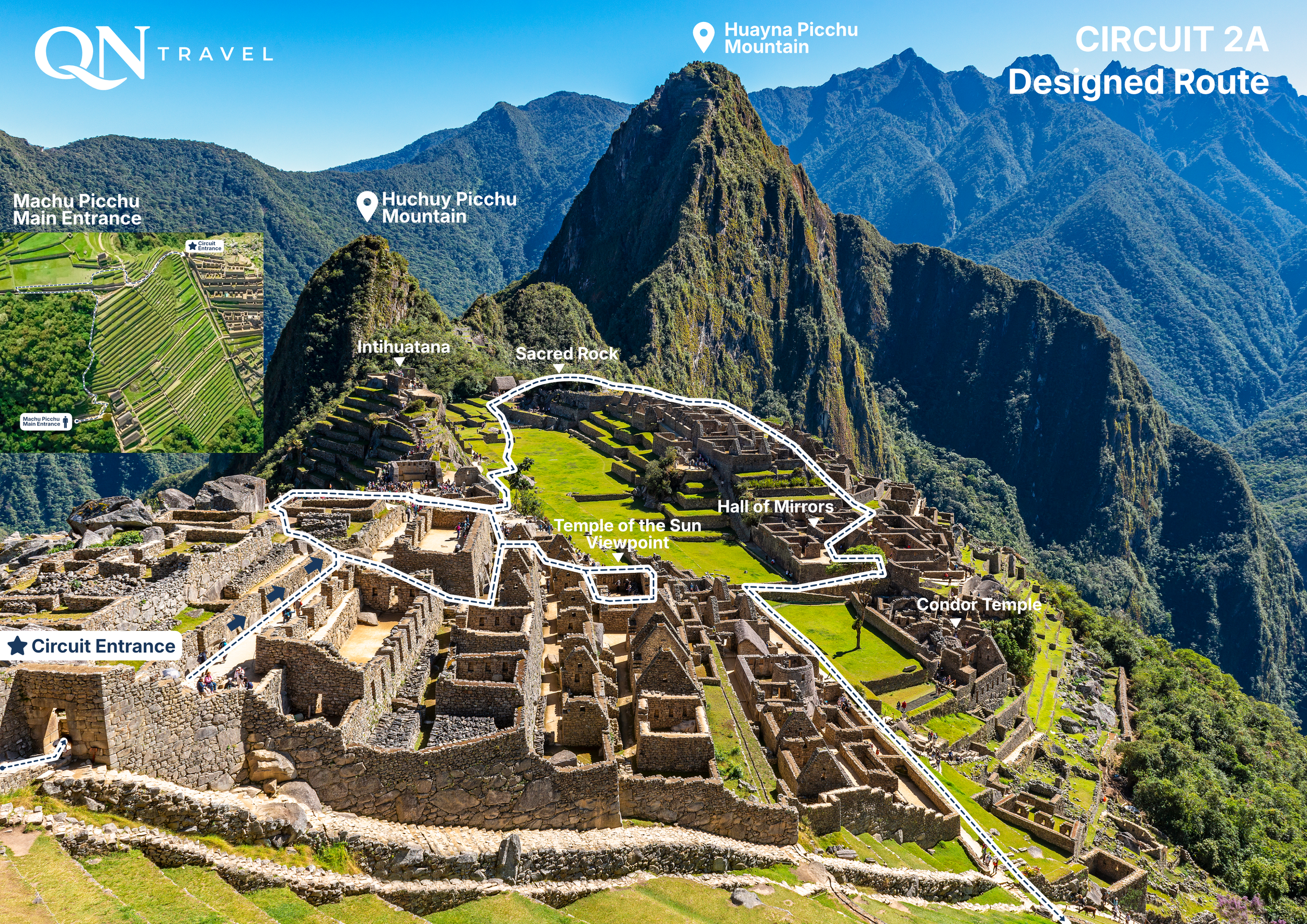
Circuit 3 (Royal) covers the lower royal sector and is the one that connects to Huayna Picchu. An equally spectacular route from a different angle, and, in our experience, the better call for slower-paced travelers, older clients, or anyone with limited mobility, since it offers a full, straight-on view of the site without the steep stair climbs the classic photo spot requires.
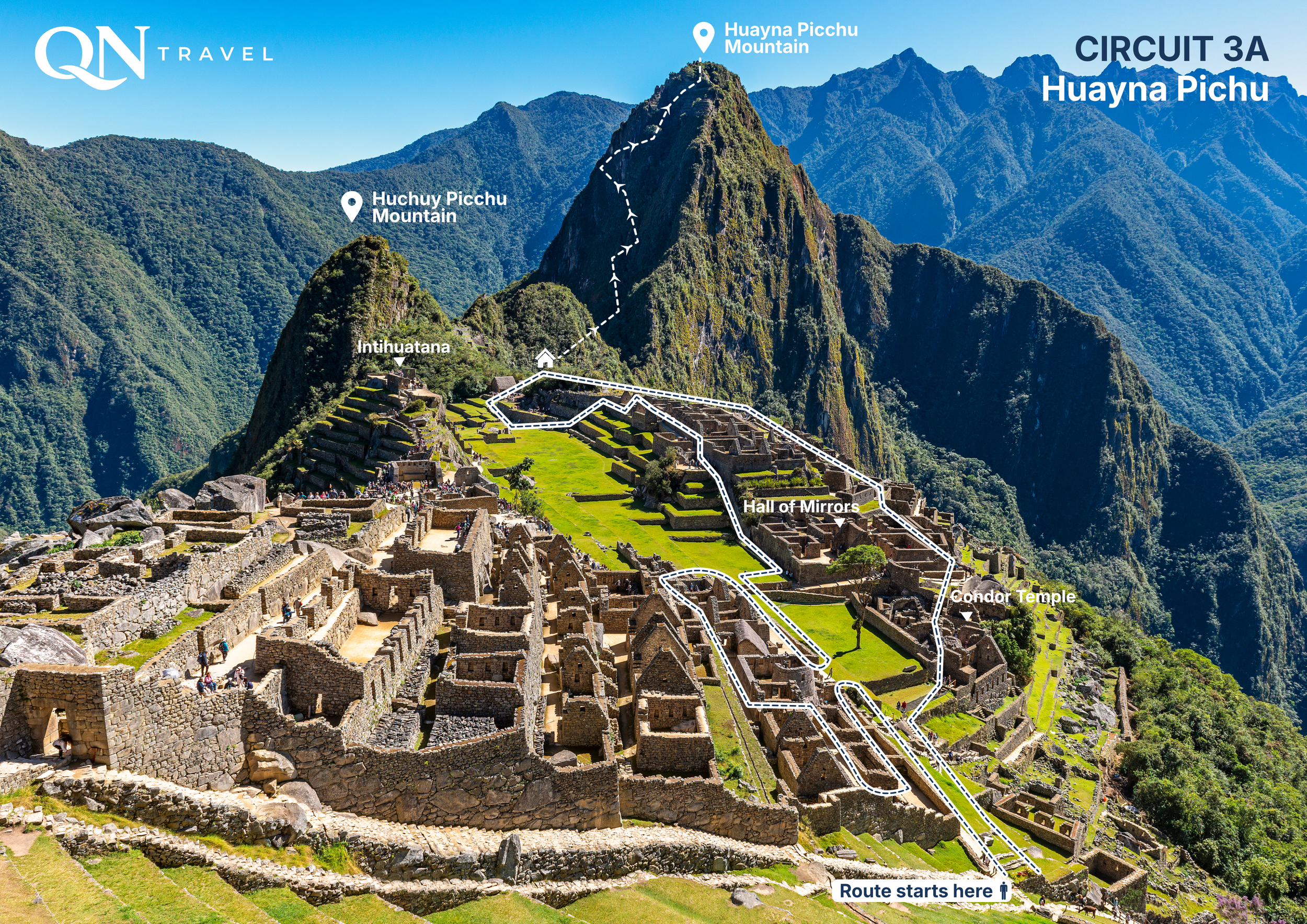
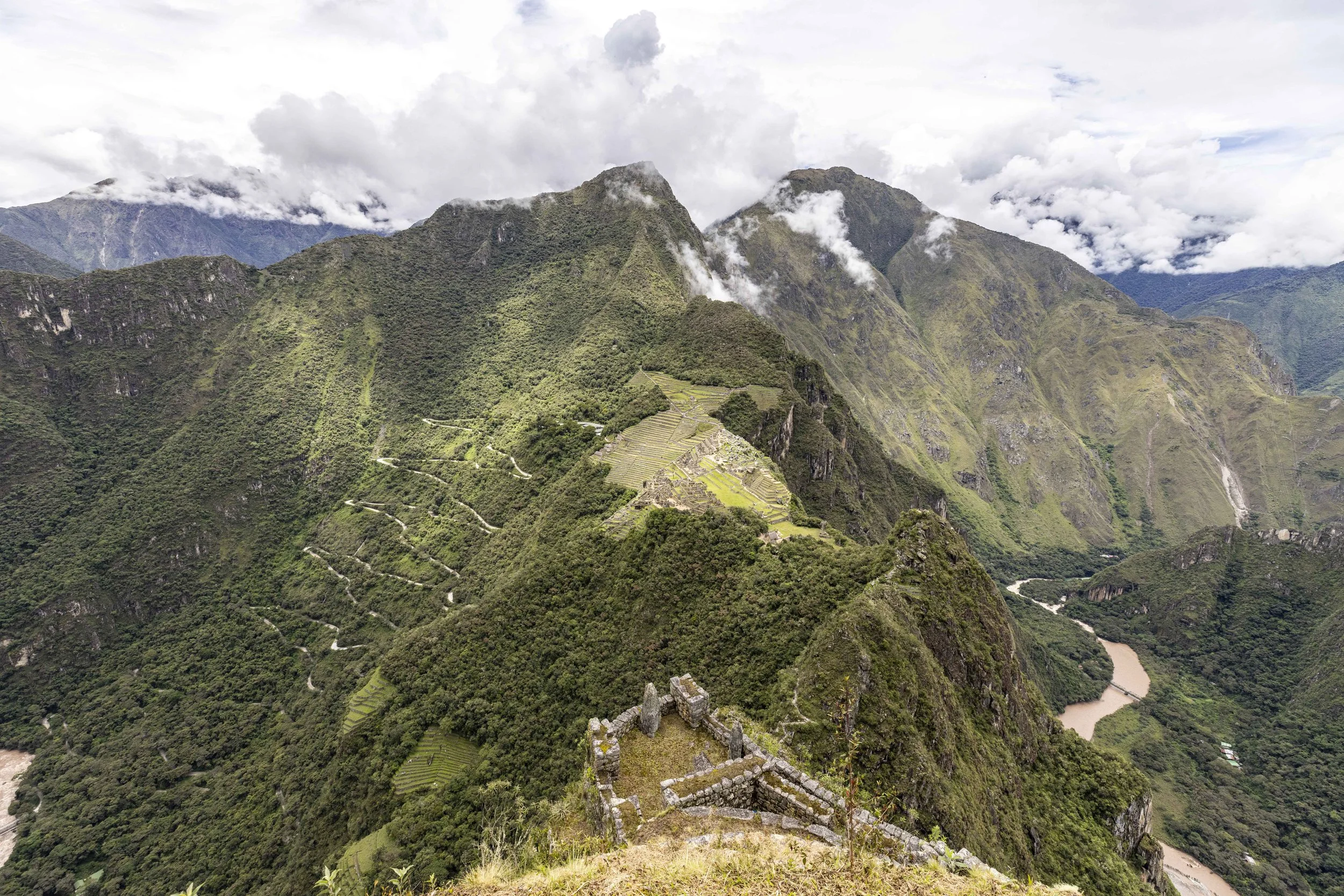
If your client has their heart set on Huayna Picchu, that decision has to happen at the circuit level, not after; and if they're not sure they want the exposure and stairs that come with the mountain hikes, that's worth asking before you book, not once they're standing at the base.
2. Book mountain hikes earlier than you think
Huayna Picchu and Machu Picchu Mountain run on their own limited daily permits, separate from general entry. For high season (June–October), we recommend locking these in 4 to 6 months out.
For shoulder months, 2 to 4 months is usually enough. Wait longer than that and you're rebuilding the itinerary around whatever's left; not what your client actually wanted.
Worth asking before you book, not after: Does your client deal well with steep stairs, narrow paths, or exposure to height? Vertigo and mobility are the two most common reasons a hike gets cut short on-site, and both are avoidable with one question upfront.
3. Is it safe to risk buying tickets in Aguas Calientes?
Not really, and we don't recommend it.
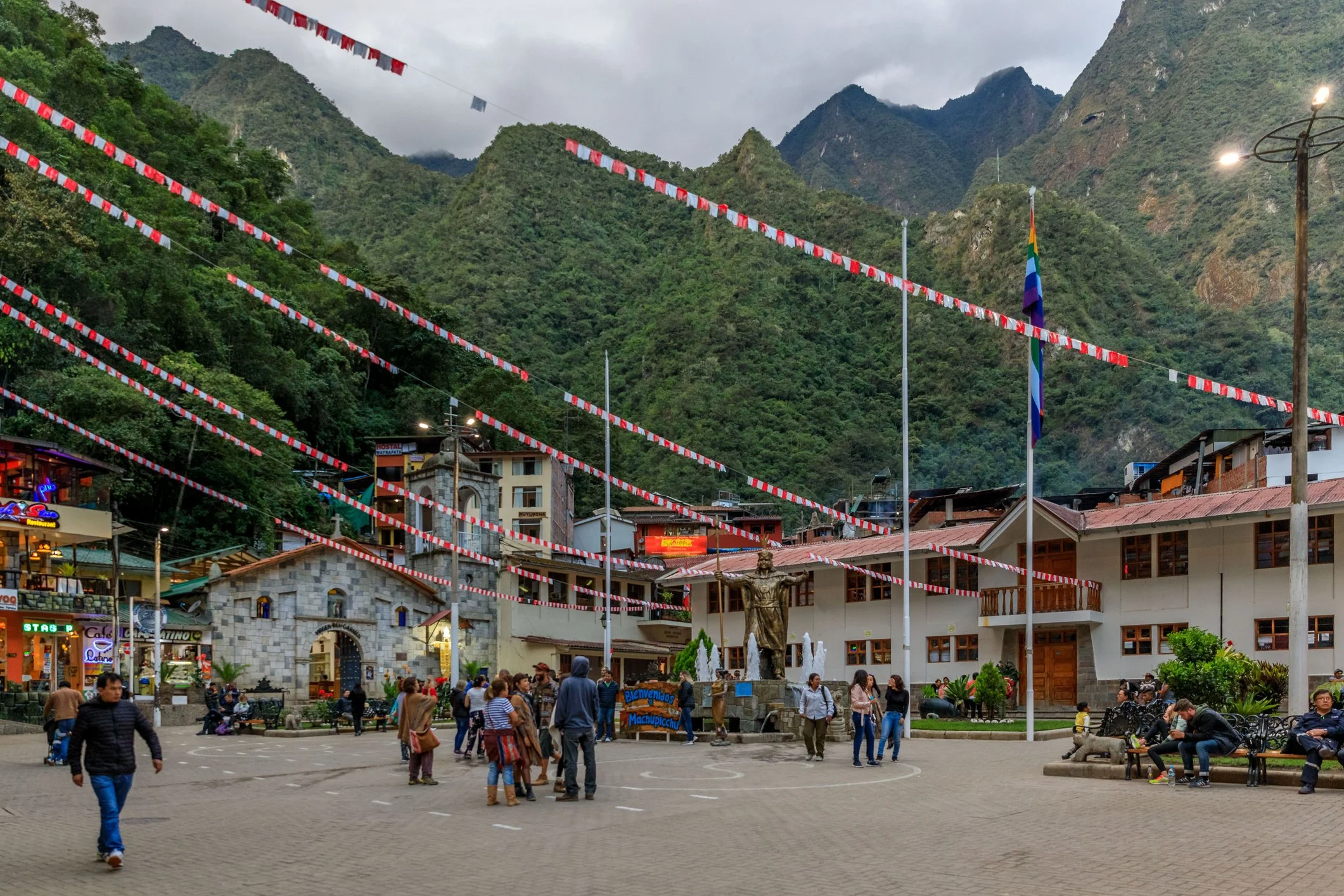
It's a question we get often enough that it's worth addressing directly: same-day or last-minute tickets do turn up in Aguas Calientes from time to time, but there's no guarantee. We can support by holding a place in line, but the ticket itself has to be purchased in person, by the passenger, with their own passport. And there's a real chance it simply won't be available. We'd rather not put a client's one shot at Machu Picchu on that kind of risk when it's entirely avoidable with earlier planning.
4. Passport details, checked twice
Every ticket is issued with the passenger's exact name and passport number, and corrections after issuance are slow and not guaranteed. We cross-check this against the passport copy before any ticket goes out: worth building into your own process too, especially for group bookings where one mismatched digit can hold up an entire party.
One detail that catches agents off guard: if the ticket was purchased using an old or since-renewed passport number, the passenger needs to bring both passports on entry day. The old one the ticket was issued under, and the current one. Without the original, entry can be denied even if the new passport is valid.
And a broader shift worth flagging to clients: Machu Picchu is no longer a last-minute booking, for any circuit. A few years ago it was possible to sort entry within days of arrival; that's not a safe assumption anymore. Whichever circuit your client wants, the earlier it's booked, the more control you have over the day.
5. What about the Inca Trail?
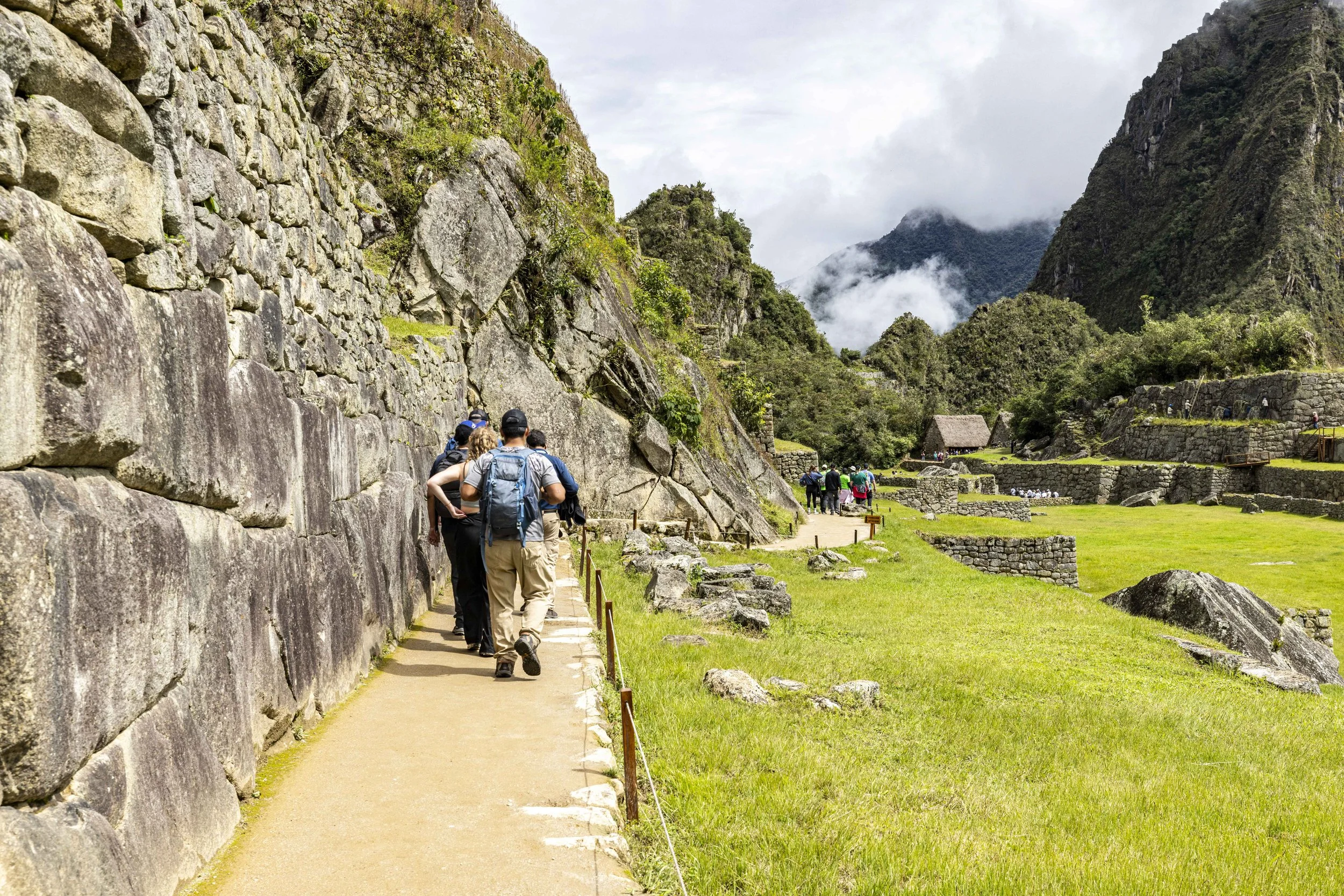
Both the Classic Inca Trail (4 days) and the Short Inca Trail (2 days) include entry via Circuit 3, but on the day after the trek (not the day trekkers arrive at the citadel). If your client wants to explore a different circuit, or go back in the same day they finish the trail, that's a separate ticket, booked on top of the trek itself. Worth setting that expectation early, since it's easy for clients to assume the trek ticket covers everything.
6. The full sequence: train, bus, and the queue nobody plans for
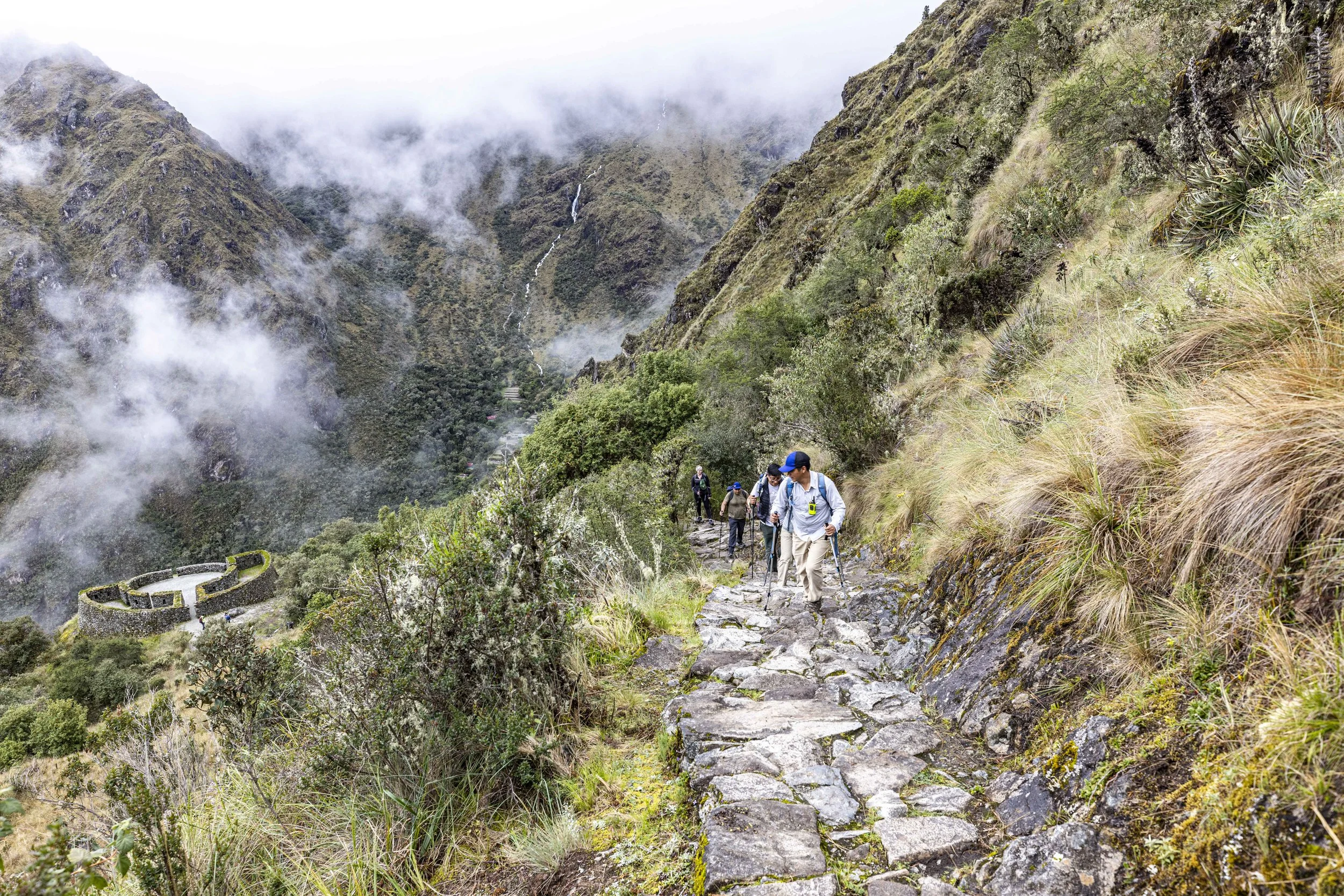
The trip from the Sacred Valley isn't one step; it's three, and each one eats into your buffer.
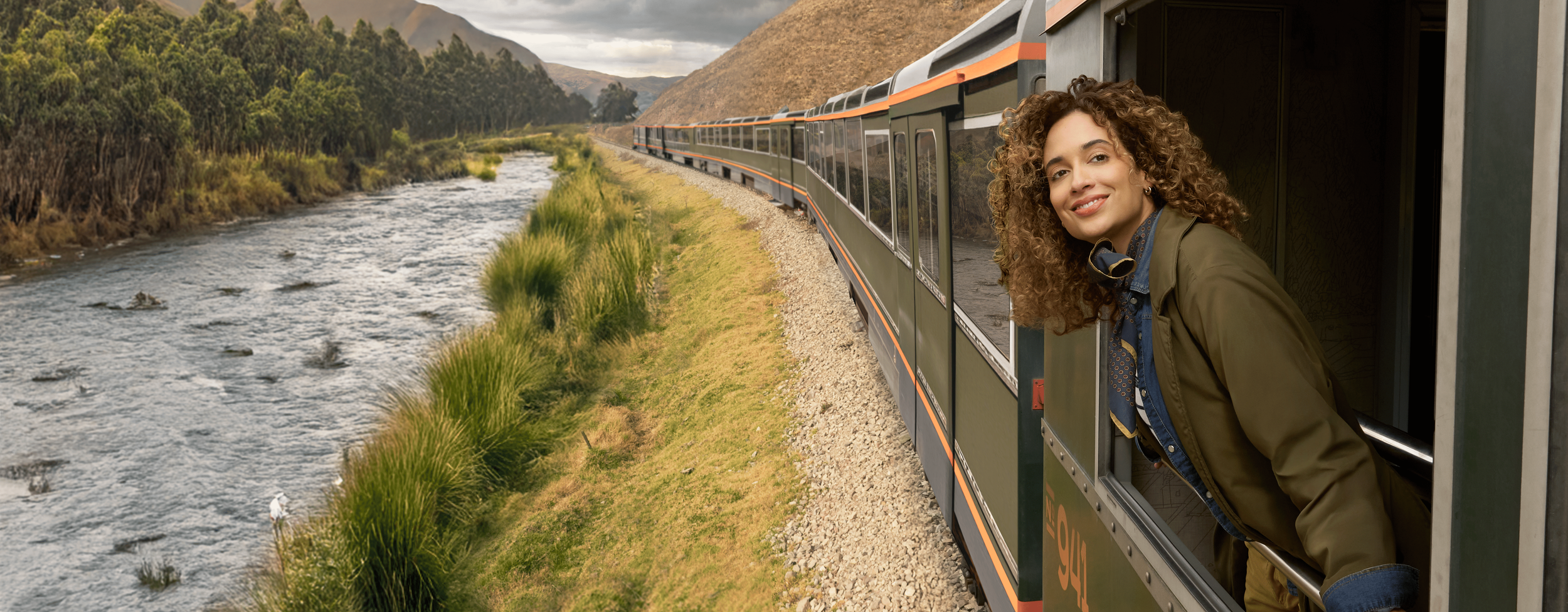
From Ollantaytambo, the train to Aguas Calientes runs about 1h 40m. From there, the Consettur bus up to the citadel takes 25–30 minutes - but it's the queue before the bus that catches people off guard: in high season, lines can start forming along Av. Hermanos Ayar well before sunrise for early entries.
As a rule, we get passengers into Aguas Calientes at least 60–90 minutes ahead of their entry time to absorb the walk to the bus stop, the queue, and the ride up. For 6–7am entries in peak months, that buffer needs to be even wider.
7. The small logistics that shape the day
Two details that rarely make it into a written itinerary but matter on the ground: there are no restrooms inside Machu Picchu, so we always route clients through the facilities just before the entrance; and we remind everyone to carry water in hard plastic bottles, since disposable single-use bottles aren't allowed inside the citadel.
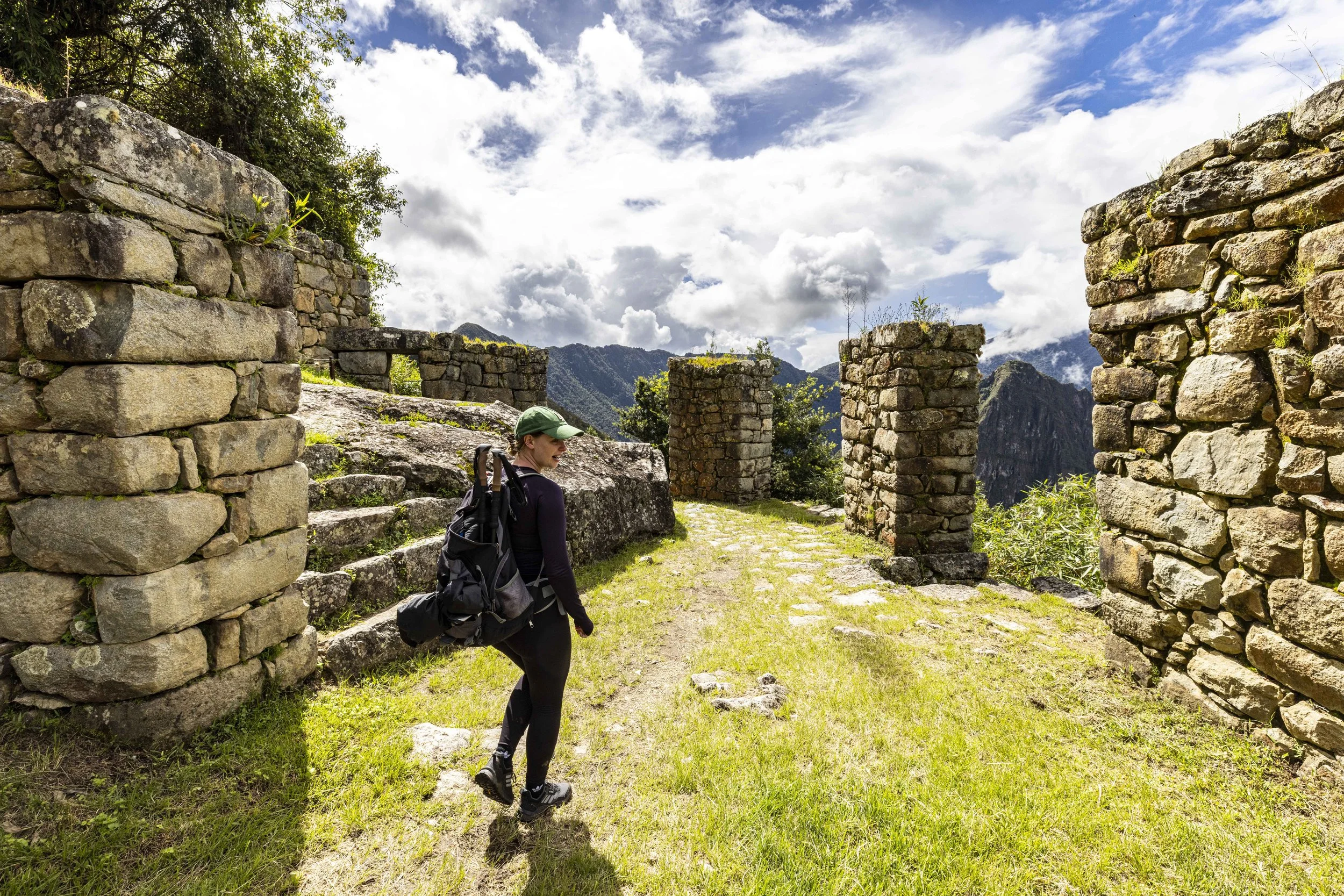
Our guides handle all of this with clients on-site, but we've found it makes a real difference when the information reaches them well before arrival. It turns a checklist into an expectation, and that's usually the difference between a client who feels prepared and one who feels rushed.
For us, a good Machu Picchu day isn't just a confirmed ticket. It's the ticket, the circuit, and the itinerary working together from the first booking.Reach out and we'll help you build it right.
