
Lima’s creative side: Food, design and culture

Lima tends to get treated as a food capital and not much else: a great dinner before flying south, rarely a reason to stay. The city holds more than that: a chef's kitchen where the line forms before it opens, a textile tradition that runs from pre-Columbian looms to Paris runways, and a house in the historic center that's belonged to the same family since 1535. Here's what we point clients toward when Lima has earned more than one night:
Cooking alongside Isolina
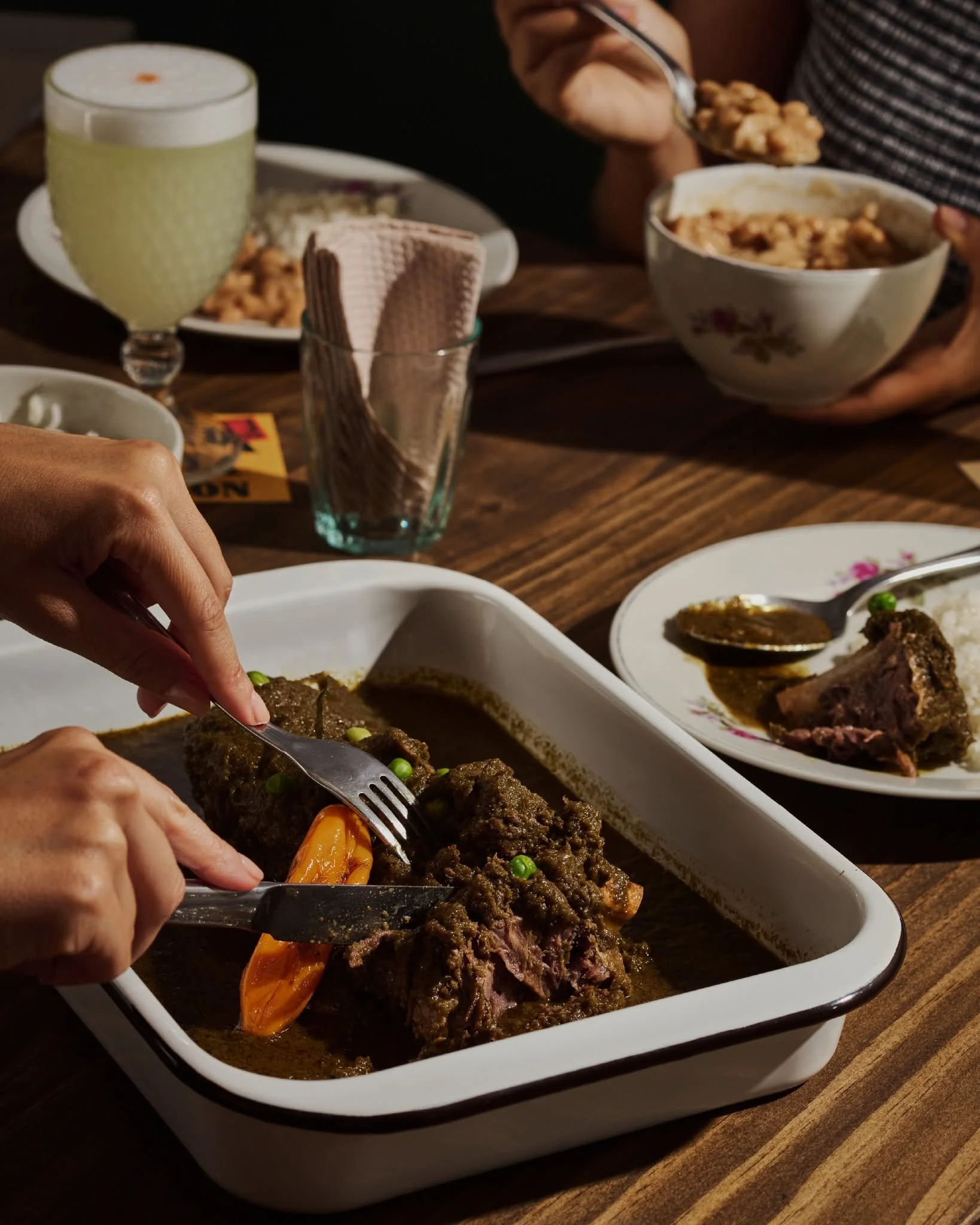
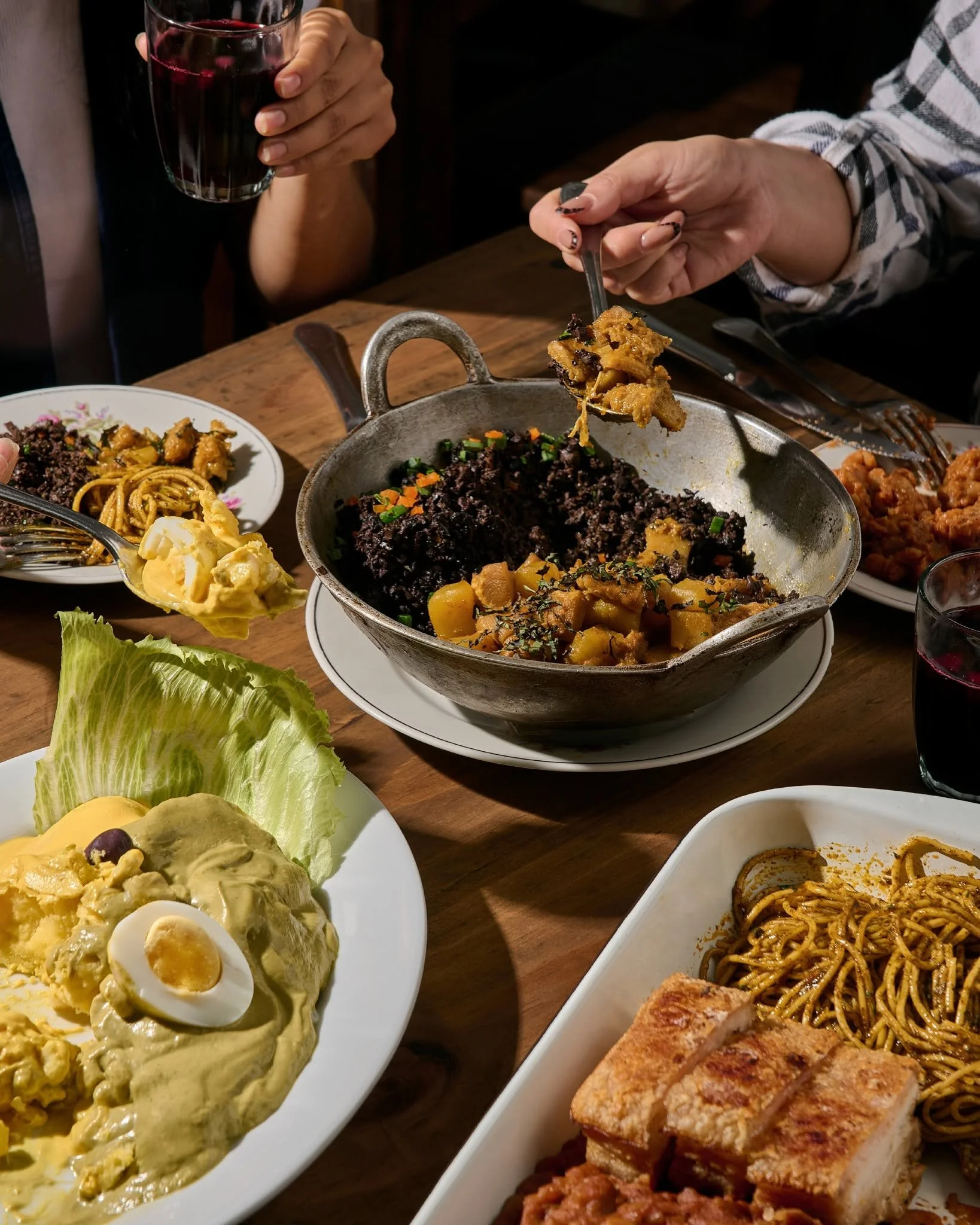
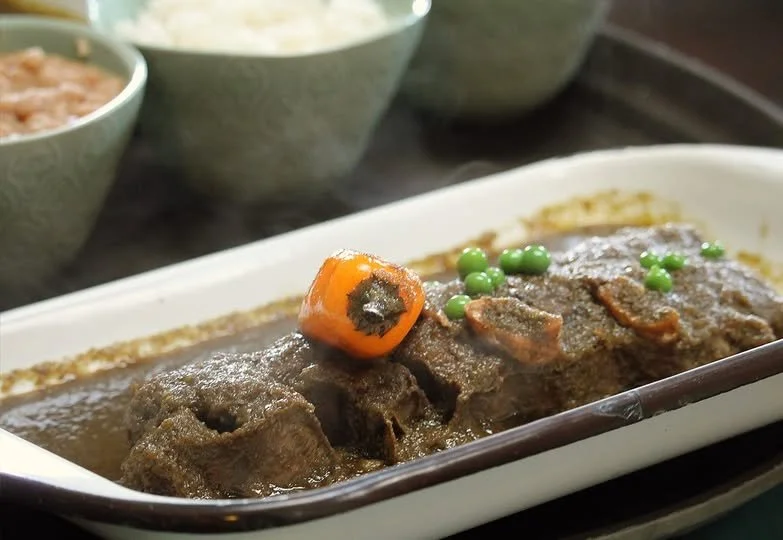
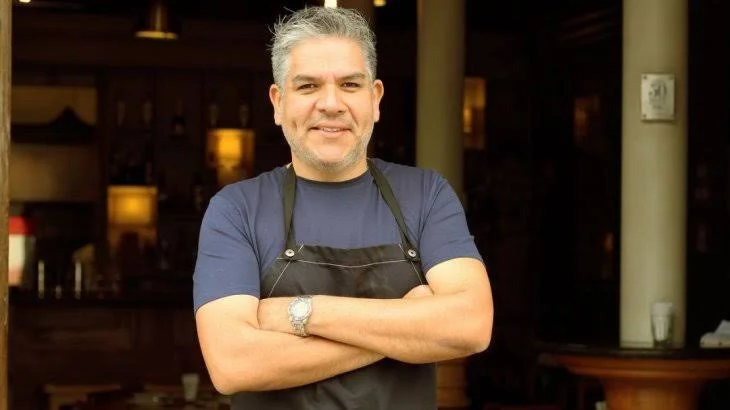
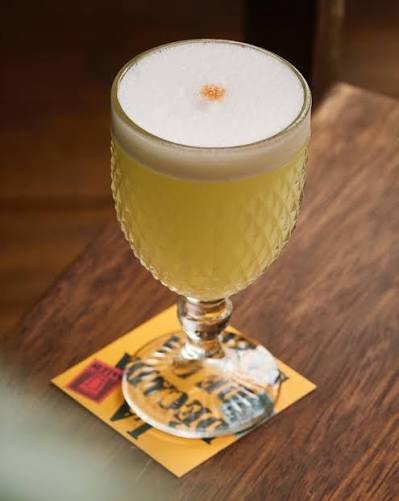
Isolina, in Barranco, is the kind of restaurant with a line at the door most days (a regular on Latin America's best-restaurant lists), and one of Lima's most loved criollo taverns. This experience pulls guests into the kitchen itself: a hands-on ceviche class led by Isolina's executive chef, or, for groups that want it, by chef José del Castillo directly. It starts with a pisco sour and ends with lunch served family-style, the same way the house serves it every day: seco de asado de tira, ají de gallina, shared at the table rather than plated individually. Where most Lima food experiences have guests watching and tasting, this one has them cooking. It's the pick for clients who want to leave Lima with a recipe, not just a memory of one.
Peru's textile story, told through its designers
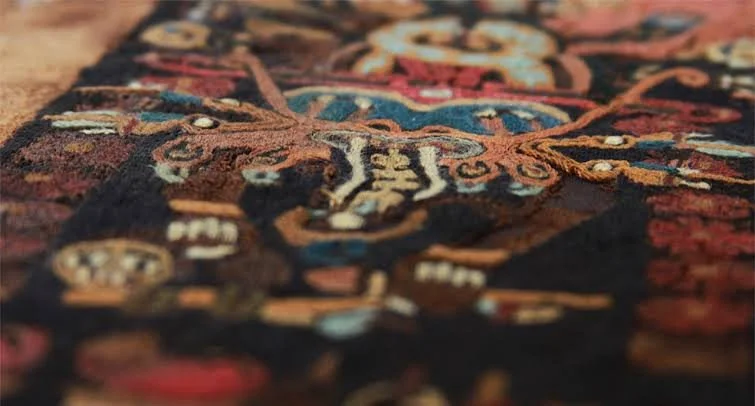
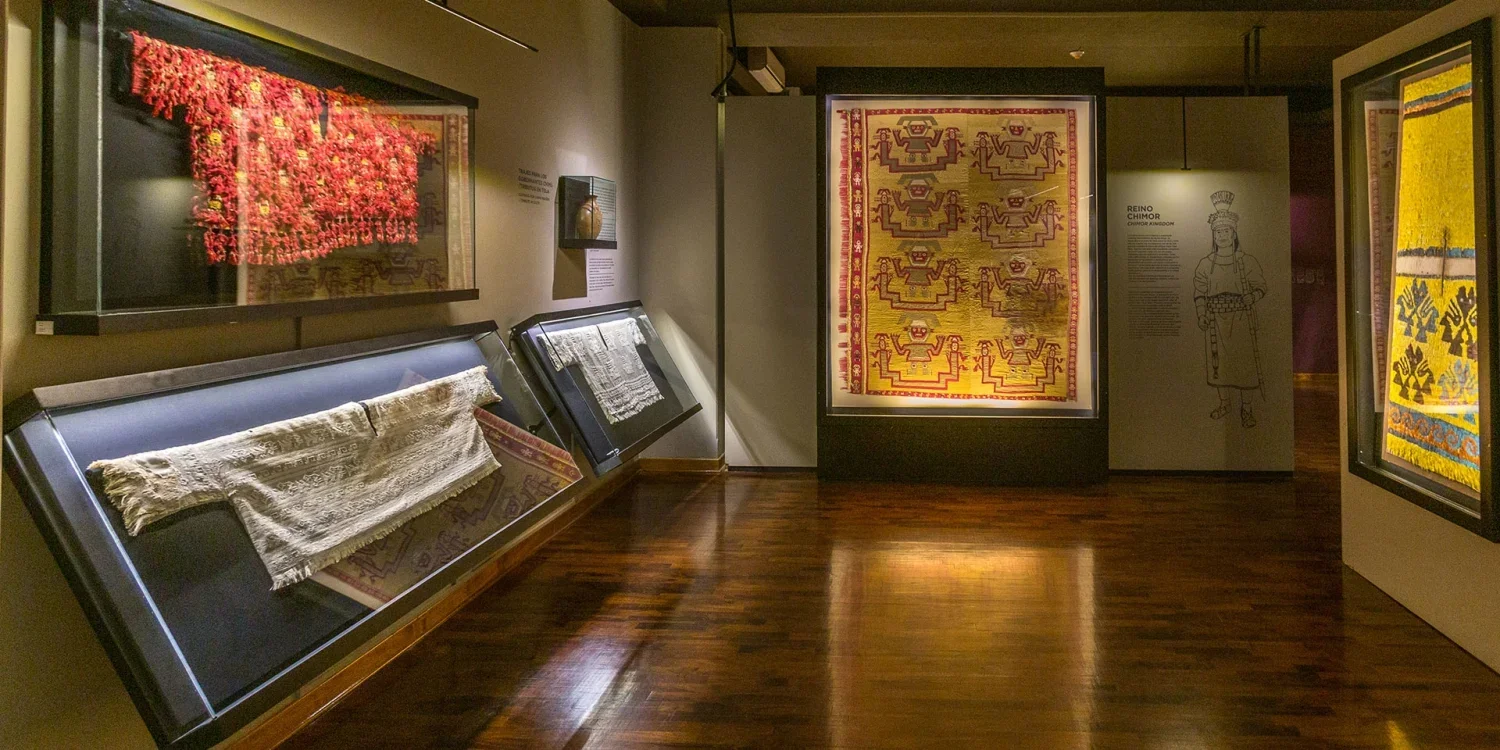
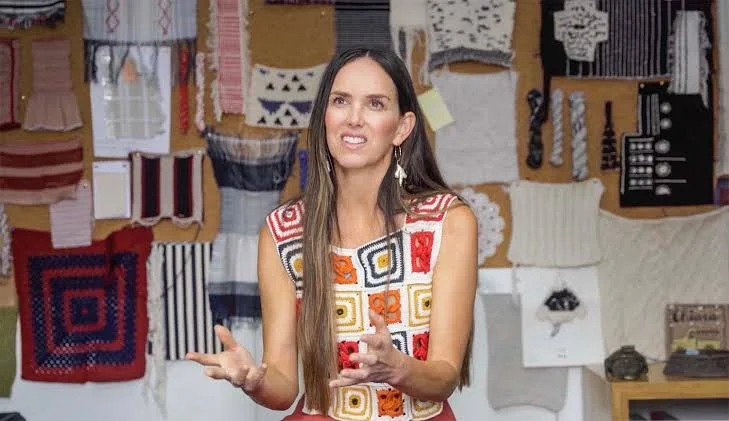
This route starts at the Amano Museum, home to one of the finest private collections of pre-Columbian textiles anywhere, and continues into the studios of designers working with the same Peruvian fibers and techniques today; hosted throughout by textile expert Kristie Arias.
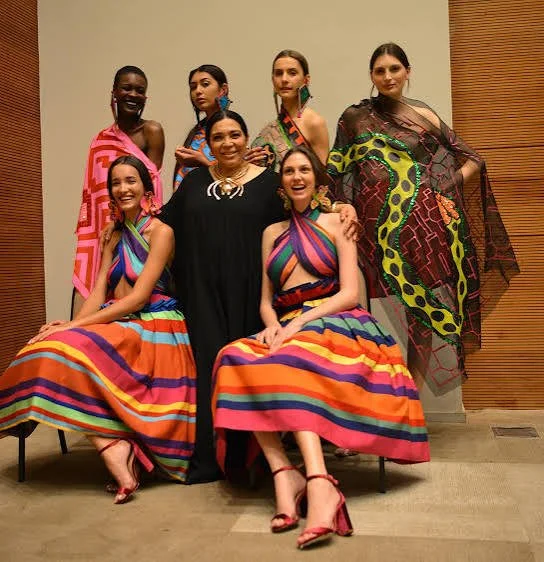
Every showroom on the route has its own story worth telling a client before they walk in. Chiara Macchiavello's ESCVDO, co-founded with her sister, builds collections with artisan communities across Peru's coast, highlands, and jungle, and became the first Peruvian brand in the permanent collection of the Museum at FIT in New York. Mozhdeh Matin, working with more than 180 artisans nationwide, pioneered the use of shiringa (natural Amazonian rubber) as a sustainable leather alternative. Susan Wagner, a geographer by training, won the Design & Sustainability award at Madrid's 2022 Ibero-American Design Biennial for a collection built from ceibo fiber.
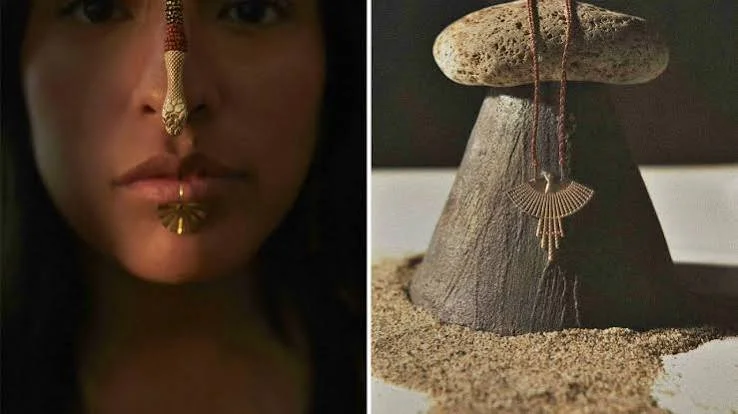
Lorena Pestana, an architect turned jeweler who trained among the Awajún people of the Alto Marañón, became the first Latin American designer to win the specialized-press prize at Paris's Éclat de Mode fair. And Meche Correa, self-taught, was putting Andean textiles on international runways decades before it was fashionable, earning a UNESCO Award of Excellence for Handicrafts along the way.
For clients who want to shop with some substance behind the purchase, this is it. Every piece comes with a two-thousand-year-old technique attached to it.

Dinner inside the oldest house in the Americas
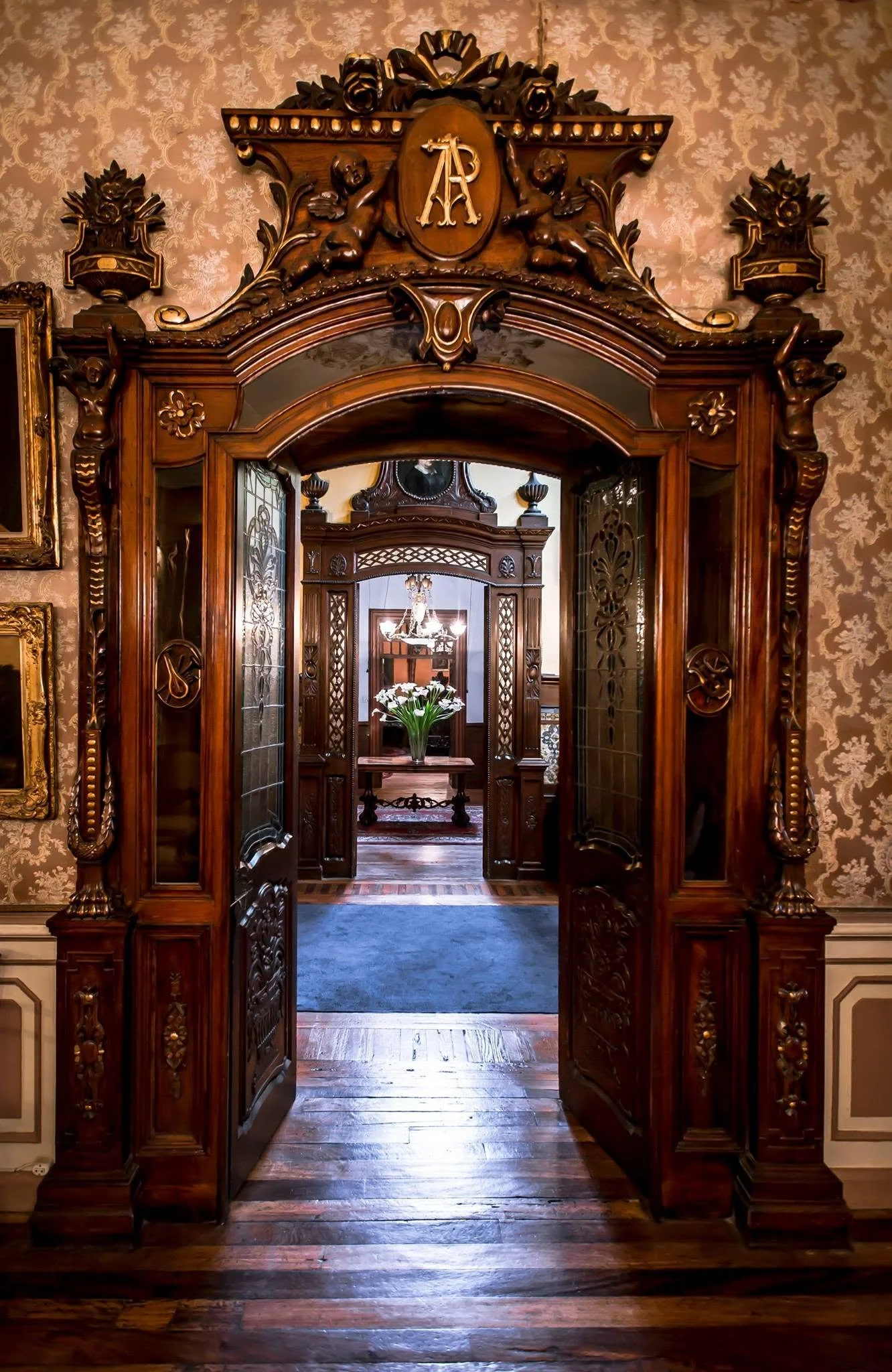
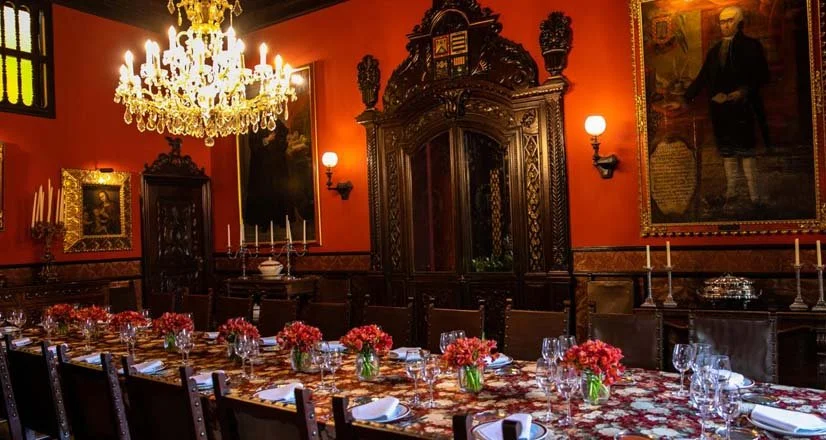
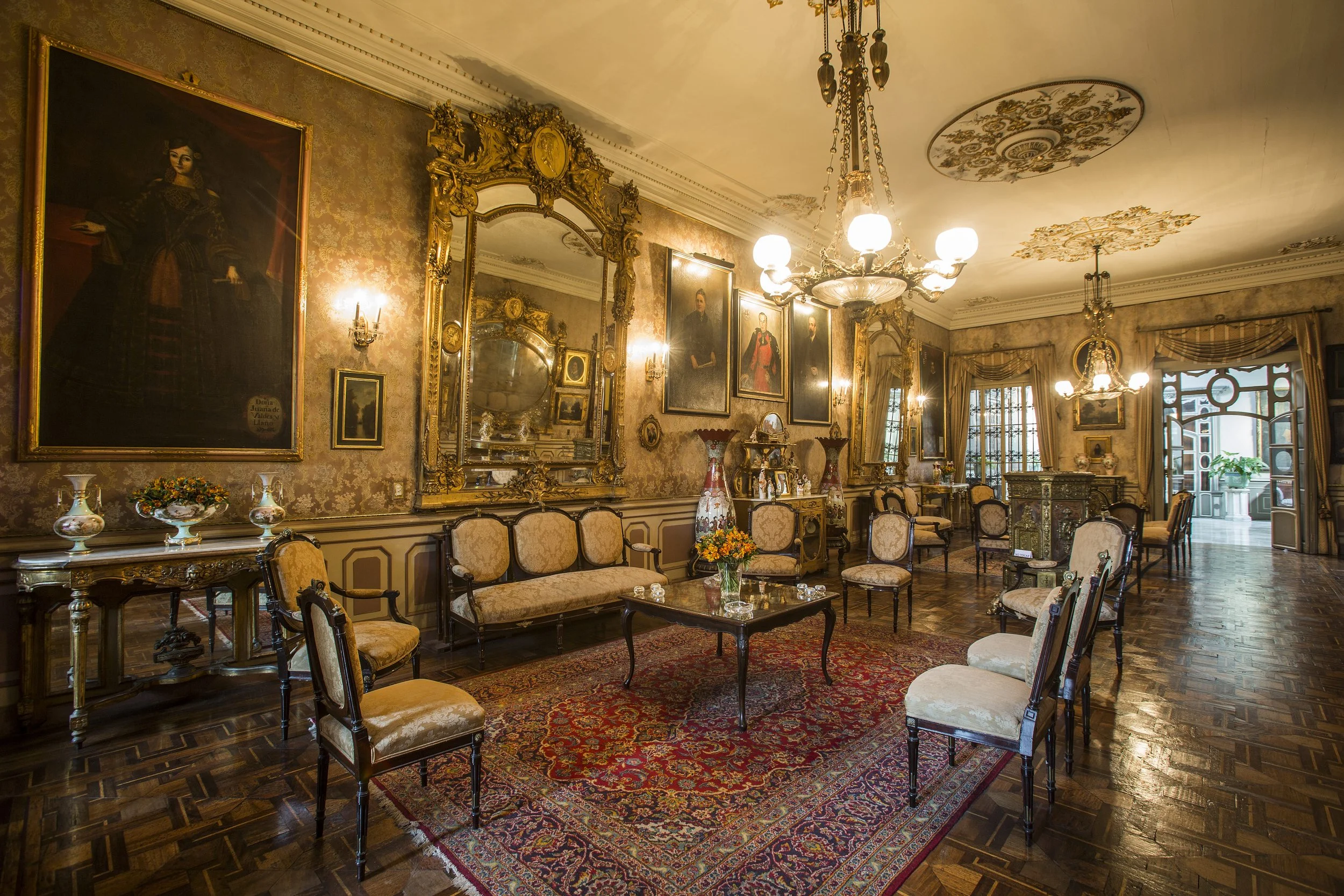
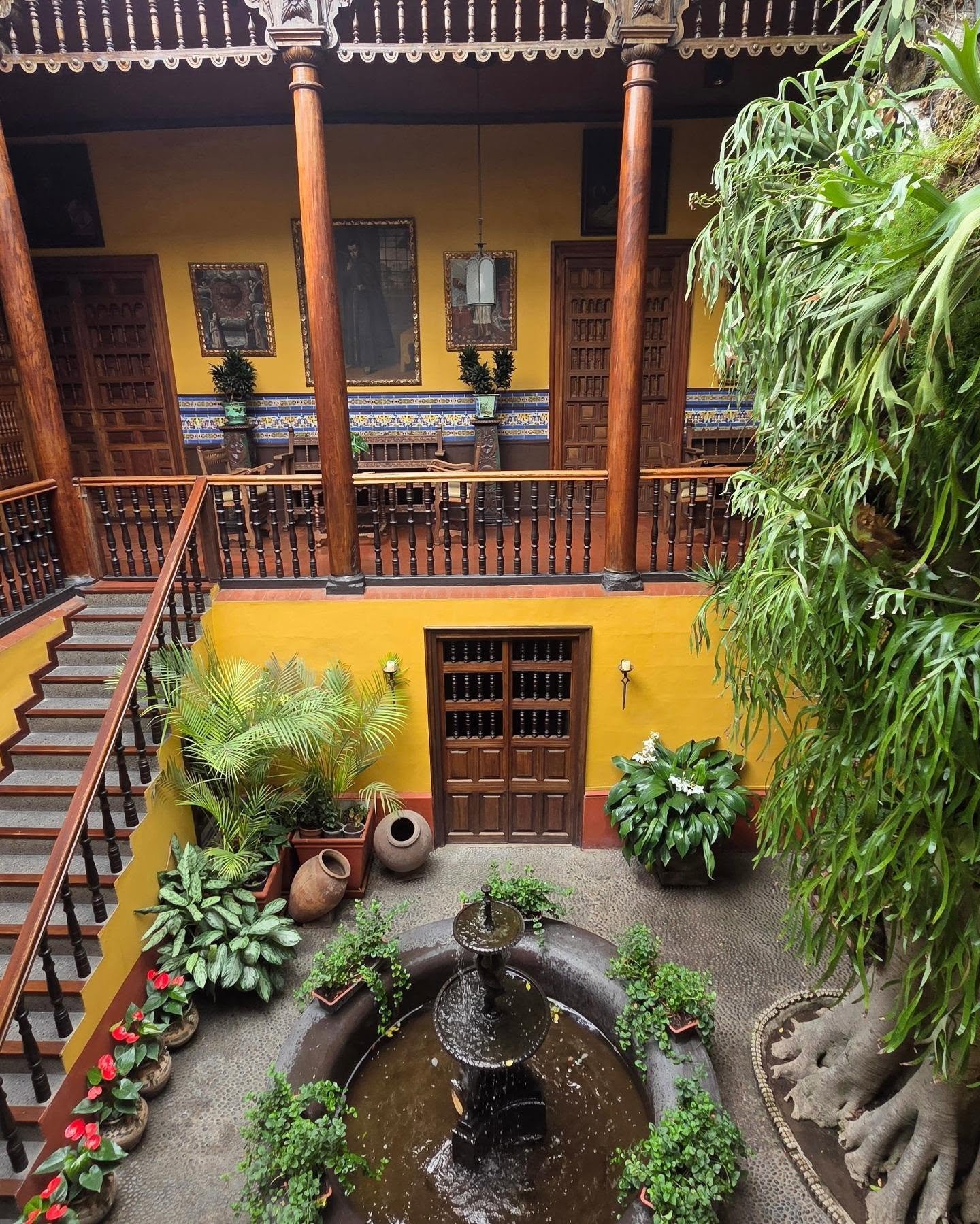
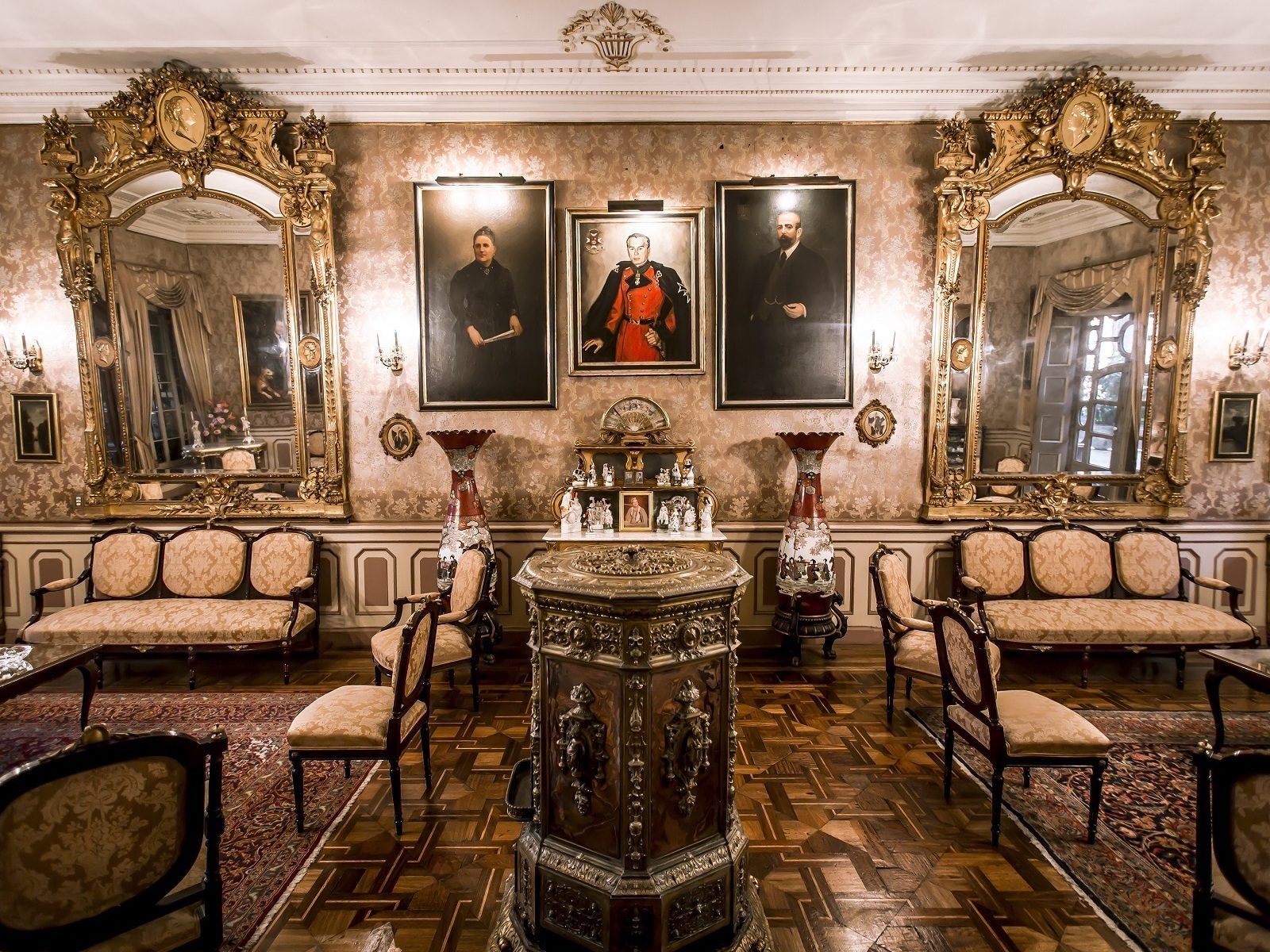
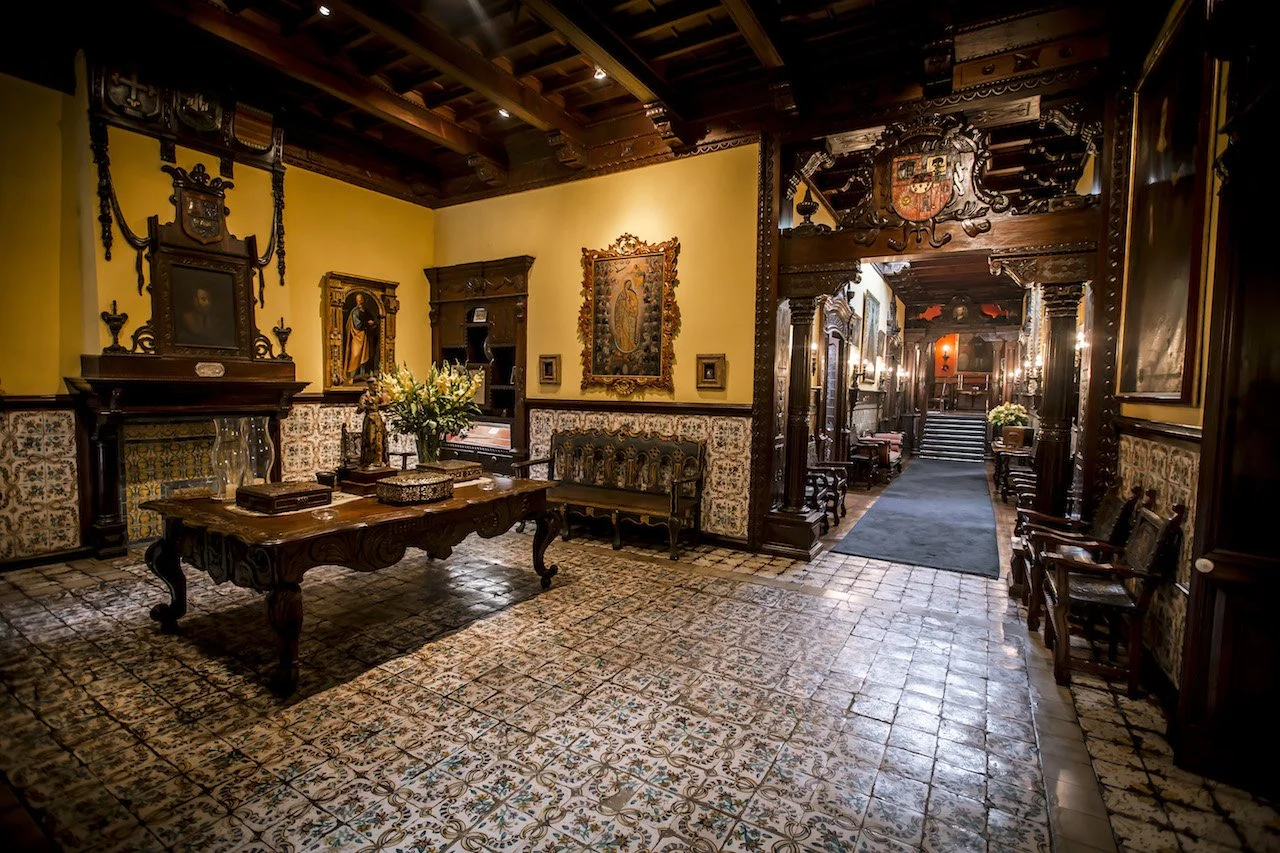
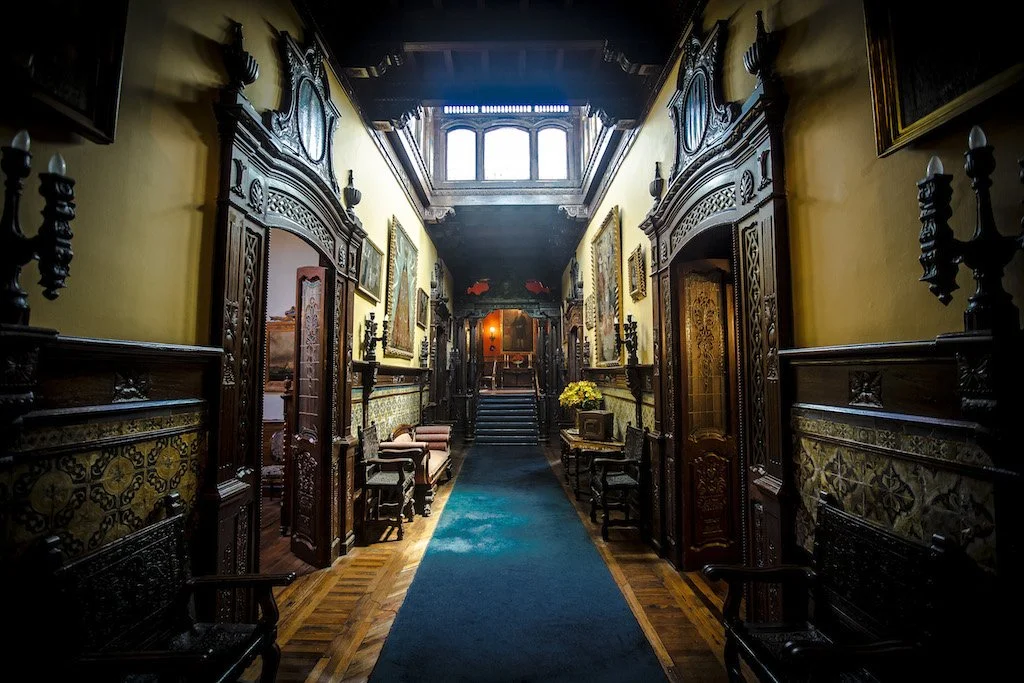
Casa de Aliaga has belonged to the same family since 1535, making it the oldest continuously inhabited house in the Americas; and for one evening, its salons become the venue for an 18th-century-style dinner, seasonal dishes cooked in the manner of colonial Lima, paired with natural wines curated by Pepe Moquillaza. It sits steps from the Plaza Mayor, but once guests are inside, the setting does most of the talking: five centuries of the same family's history around the table. For groups seeking the most exclusive version of the evening, Jerónimo de Aliaga can receive guests personally in his family's home. This is the recommendation for clients who want their last night in Lima to feel like nowhere else in the city.
Matching the experience to the traveler
Isolina suits clients who want to get their hands into the food, not just taste it. The textile route rewards genuine interest in craft and design, not a casual shopping stop. And the Casa de Aliaga experience is built for an special occasion: an anniversary, a closing dinner, a group that wants the evening to be the highlight of the trip.
Reach out to our Peru team to build any of the three into an upcoming Lima stay.
